It annoys me when people say that our industry uses too much Jargon. Do we? Or do we use shorthand? Do we not all use shorthand in life? Anyone for a BLT? No wrong time of day I would rather a G&T or maybe a JD and coke. I make the point, we all use short hand in our discussions and conversations, I would not describe it as jargon.
I listen to advertisers talking about their business all the time, more jargon than you can shake a stick at! RTB – you want me to say Real time bidding every time? CTR? CPA? Life is too short to say that every time. No where we all go wrong is using them at the wrong time. Conferences, advertiser presentations, these mixed audience scenarios we need to all tread more carefully and explain what we mean.
The ability to explain a complex notion to a crowd that has less experience of your topic is where the art comes into its own. The programmatic buying business is technology obsessed and too focused upon it. It is this that we need to cut out, less the jargon. We should have learned from the past that technology is not the subject, it is what it can create for our advertisers. I met with an advertiser recently outside of our group and he seemed positively relieved as I focused on a more simplified approach to the business and a less techie pitch. As he put his algorithm back to basics manual away he seemed positively lifted.
And this is where Trading Desks can add value, the value of cutting through the jargon and the bullshit. As an advertiser with limited resources focused on this complex marketplace, they are pitched by everyone, each with their own shiny optimisation and algo (shorthand for algorithm) and it is daunting. Our job is to help navigate this world and design strategies that link up all of these marketplaces and technologies. We should focus on the outcomes of jargon, not the jargon itself and slowly for many the jargon will turn into normal day to day shorthand.
Digital media will eat itself then be sick all down us. Viewability is the latest craze to hit those who must have historically worked offline with frustrated metrics and now want to take it out on digital. When I moved to digital in 2000 we beat our chest with just how much we could measure. We could measure every time an Ad was shown! Every time someone clicked on it! Every time someone bought something! On and on it went, glory times. Until we realised that just because we could measure it, it was not necessarily a good thing.
Digital tracking issues started with no reach and frequency metrics! Everyone has been scrabbling to replicate the TV world. I am often asked how we measure brand metrics – well we can look at certain key numbers like engagement etc but ultimately if you want to track brand engagement then measure it with a survey, just like you do on every TV campaign. As we have evolved so have our measurement approaches but we are entering a new era of self harm. Viewability.
I am not even going to get into the fact that the tech is ill tested and nascent and needs some really thorough analysis. Or that the measurement can be carried out by any number of different companies each with a different way of tracking, so no consistency whatsoever. No lets look at what we are doing to the industry vs the offline world.
Could someone explain to me how marketeers (and / or agencies) are starting to nail digital on something like viewability and yet TV and Press are sat laughing at our complete stupidity. The TV market has it sorted. They came up with a plan 40 years ago, they got everyone to buy into it. Ratings, indexes, context, reach, frequency and a brand survey. Nuff said everyone liked it, pretty simple – lets not dig too much further or upset the nice little market place we have going. Otherwise how can you explain that in digital there are people clamouring to only pay for viewable impressions when a multi billion pound TV marketplace trades off people leaving the room, making tea, talking, texting on Twitter when the Ads come on. Press? Lets not go there.
If we are not careful in this digital business of ours we are going to measure ourselves into the ground. In TV the metrics are broad and deliver against some key criteria that they plan against, the industry has made it simple for advertisers to spend money and not question the fact that a 20,000 person panel in the US powers $65b TV market . Viewability is a classic example where we are setting a bar so high vs the other the channels because we can. For those who are challenging the industry from an advertiser perspective – should then turn the spot light on their other media expenditures. I would ask that we take some time to establish some very clear guidelines and transitions and not go in like a bull in a china shop just so we can show off at the next pitch. Lets do things right, for the good of the industry, not just the next sell.
I attended a seminar this morning called something like ‘Is your brand safe online’ A number of parties were there, all worried about their brands, namely trade bodies, Ad nets, Agencies and global digital media companies. The one group severely lacking was the advertisers! It is notoriously difficult to get clients to turn up to events and this was obviously not an event that they thought important. Why would they? Don’t they have their agencies to do this stuff?
It is a similar story with ePrivacy, although almost all the onus falls on the advertiser to make sure their site is compliant and that their advertising is as compliant as one can be in this area, there has been limited discussion on the topics since ‘the date’ came and went. How come? Maybe everyone thought that someone else was worrying about it?
The group is focused on getting self regulation principles about where Ads appear to be taken up by media vendors. They want to suffocate the advertising revenue streams for unsavoury or illegal sites by making sure that all the major suppliers of inventory agree not to use them.
So today’s agenda showed that again we have a topic that appears an important one and yet again we have the merry go round of whose responsibility it is to make sure we are compliant. Well today we heard it loud and clear, The Police and Fact think that it is the advertiser who has to take responsibility for making sure that their Ads do not appear on illegal or inappropriate content. We were given an example of the client EasyJet that the guy from Fact kept repeating has not been able to be reached. He was very annoyed by that..I asked if he had contacted their agency to be told that it was not his job to spend time looking for who Easyjet agency was – umm maybe ask your IPA friends? No it was better to keep sending letters to Easyjet when the agency would have had those Ads down in about 15secs.
So bearing in mind that the Police think the advertiser should take responsibility, the advertiser thinks the agency should, the agency thinks the Trading Desk should and the Trading Desk things the suppliers of inventory should we have a beautiful example of sequential liability (without all the legal jumbo jumbo!) – I took a decision. I decided that the suppliers of inventory should be taking responsibility for where my agencies, advertisers’ adverts are being placed and I wrote them all a nice letter asking them to abide by the Principles of the DTSG.
I just did it. It was easy to do to be honest. I wrote to them and said ‘ please can you confirm that you won’t put Ads on porn sites, children sites, illegal sites (the special police list), Torrent sites and basically anything else unsavoury because our agency’s advertisers will not want it.’ And why was it easy? Because it is so bloody basic and common sense that I am trying to work out why everyone has not done it, apparently some are reticent at this stage to do it. Well for me I am all for it because it is straight forward and I don’t want another ePrivacy debacle involving 10 different bodies and loads of political bull. I just want to buy ads in nice places.
Our whole VivaKi Verified approach means we are already vetting, categorising, white listing inventory so this is a no brainer for me, I appeal to everyone else to get on with it as well. It will be one less committee meeting to go to and will mean everyone can get back to dealing with the nightmare that is ePrivacy, I would hate for another topic to come along and hijack every media conference panel debate!
After this cause is put to bed I am starting out on Ads appearing alongside prostitute cards in phone boxes – now who is responsible for making sure that does not happen?
Well I say that, in actual fact I have recruited two people into the Head of Product roles from within our agency group, NASA did not really come into it, although I am sure some people would claim it! It is something I am asked all the time – where do you recruit from? What type of people should we hire? Will my Head of adserving do?
One thing I am sure about is that I fear the return to the days of when search took off and they became a hugely overpaid, under experienced, high churn group of individuals, around 2005 it was a merry-go-round of people in the search teams with each agency ignoring their best search strategies and allowing us all to bid up the price endlessly. It was partly this factor that led to search teams not being as efficient as they could have been since staff costs got out of hand. There is a danger of us returning to those days within the exchange space, but at the same time I believe we have more choice, on the basis you are a little more open minded.
As I said at the top a common question is what type of people do you employ, I struggle to answer that. Looking round the team we have people from adserving, mobile DSPs, agency, Data, and so on, so yes of course they all have some common DNA but that is not the key. Curiosity is the key, the desire to want to learn, to want to look under the bonnet and see what is happening and to do it all the time not once a month. Everyone in the team has that, and in my opinion that makes them different from the majority. Too many digital planner buyers have become a little too process driven and not inquisitive enough. They are not questioning the numbers, they are not trying to work out a different way, or challenge a target, too much is paper pushing and and that is why the new generation of people, as much tech as media are different BUT because you work with tech does not make you an immediate candidate.
When I interview I want to see passion and interest, I want to see a history of someone who likes the ecosystem and has been reading about it before they even got the job, I want them to know all about the space, without really knowing all about it because the one thing they lack is working experience. Come in and challenge us, come in and want to understand more. We don’t mind what your background is, just show us that you don’t just want a job in this new space because you think you should.
I have seen some really good candidates, often those who are actually working in competing trading desks, we have never employed one. Too many of them looked like they fell into it rather than wanted it. So for those starting to recruit the interview recipe to grow a team is curiosity plus desire sprinkled with a big dollop of instinct (perhaps the key ingredient at the end of it all).
Audience One Demand is always happy to receive CVs and always on the look out if you want to fire them over.
Everyone told me that Las Vegas was a crazy city and CES even more so but they did not do it justice. The scale of the city and the event beggars belief. There is a real buzz around the event with every major tech company represented (except Apple of course) and on a scale I have never seen before.
Executives from business, government, entertainment, automotive, consumer electronics and every major industry converged on the 2012 International CES to experience new ways of doing business at the world’s largest consumer technology tradeshow.
The 2012 International CES was the largest in the event’s 44 year history, with a record number of more than 3,100 exhibitors across the largest show floor in CES history – 1.861 million net square feet of exhibit space – and drawing a record of more than 153,000 attendees, including more than 34,000 international attendees. More than 20,000 new products were launched at the 2012 CES, and as we know it has become the second largest event for Agency Groups with Levy, Sorrell, OMG Board and 500+ people turn out from VivaKi amongst others. My boss Curt Hecht comments on this in an article in Adage – read it here.
Although there was an enormous amount covered at the show I wanted today to focus on the converged TV topic and the challenges we all face in this space. Let me start by giving you some of the highlights of the TV space for me and then look at the implications.
The TV is no longer lean back but lean in, it is being designed to draw you in and pull you from your stupor. The TV is being assaulted by set top boxes, App stores, satellite companies, it’s now no longer able to sit quietly in the corner of the room, it has to be your communicator through Skype, your music system, social media entry point, picture frame, cinema etc, it is also on a diet and becoming more colourful! (more on that later). Before looking at specifics, I have to say that above all the point I was left with was that the role of the main broadcasters and channels seems antiquated and slow at this stage and being left behind a very fast moving wave of tech.
The TV manufacturers are all looking for an angle on how to interact with their devices. Microsoft want you to wave at their TVs via Kinect, LG want you to speak to their machines and have created a unique remote control that acts more like a cursor, this worked for me more than waving hands etc. The video below shows the users scrolling around the TV screen between all the apps using the very simple cursor method.
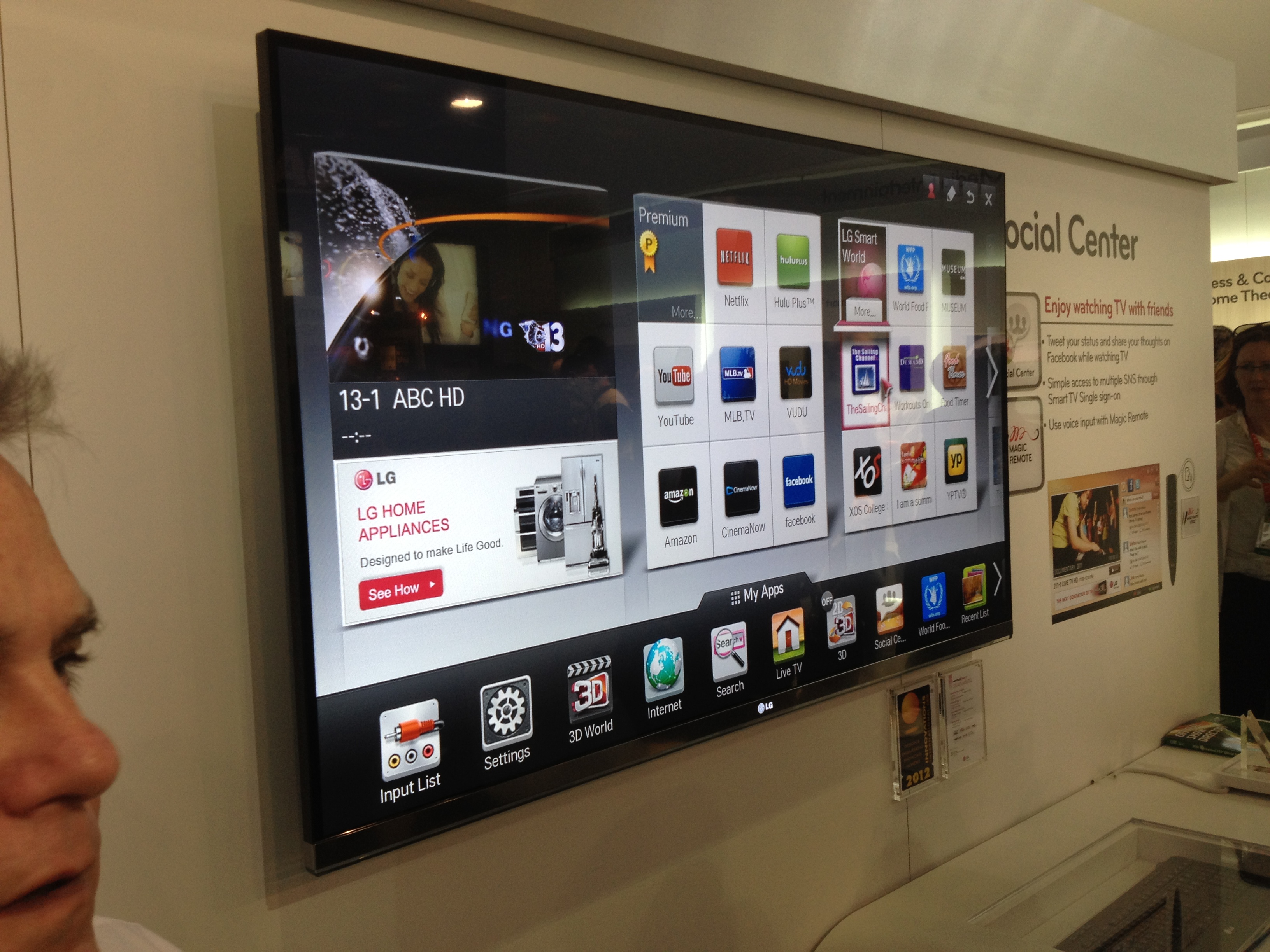
The Rise of Apps: The first thing that strikes you about the LG is that this is now all about the Apps and not about the linear TV stream. These apps remember will hold TV catchup, movie download services, Facebook, Linkedin, games etc, it will be a while before you start turning to your fav TV show at the allotted time, it is this the vast array of other ways of interacting that leaves you with the feeling that the main broadcasters have a big job on their hand. Check out this LG and it’s Apps.
In this screen you have not only the Apps but also the advertising slots available on the left under the screen, in this case Toyota, if you click on these Ads you can be taken through to full video or sites or Facebook pages, the opportunities are impressive and again this raises questions of measureability
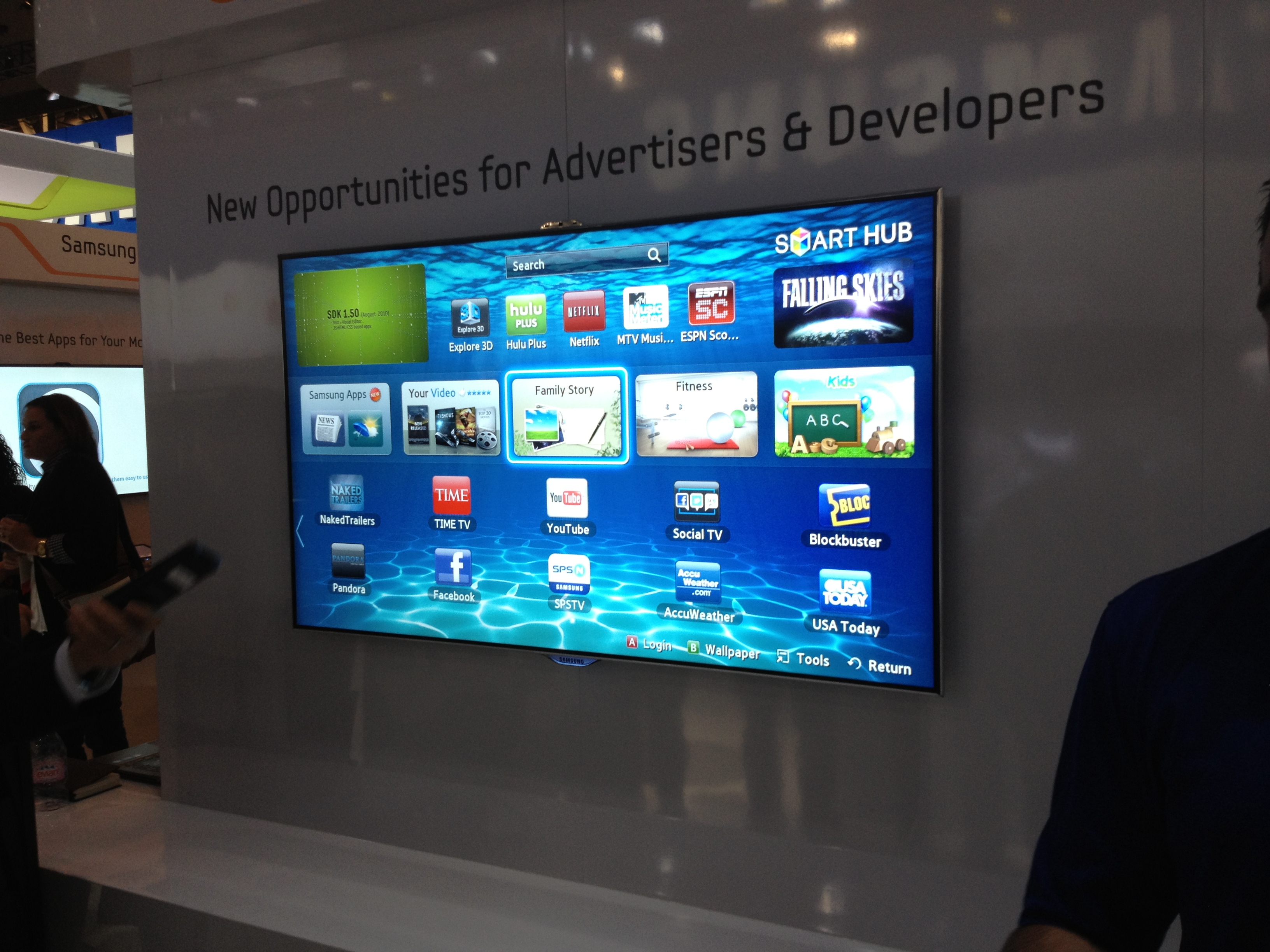
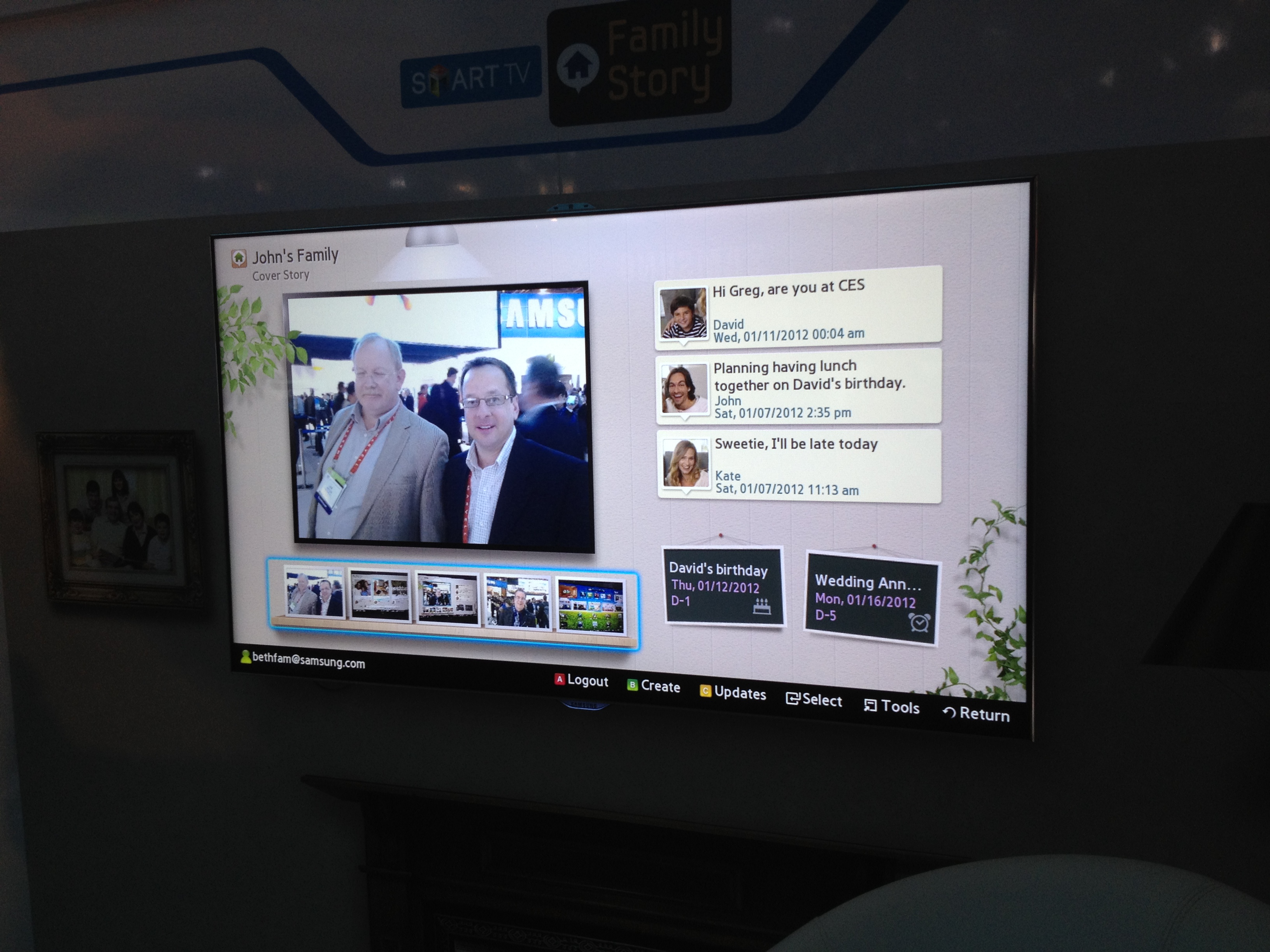
All the manufacturers have led with the App approach, take a look at the Samsung picture below, an awesome TV with incredible layout and design, again all driven by voice commands. The Samsung TVs really stood out as being very impressive both in terms of design and functionality. You will notice the social apps in the TVs, previously they have been a little clunky but now they are seamlessly integrated so you can be talking with people, tweeting or on Facebook alongside the TV programming, the second picture below shows an example of that in action. Social TV is going to be huge and will again swing the stats away from dual behaviours / screens whilst watching TV.
Facial recognition and personalisation
Right now if we want to personalise through TV it is down to the very early attempts and basic targeting alla Virgin or Sky, if we want to measure TV viewing in the family we have to press buttons or in some cases in the US people are still filling in diaries that a multi billion pound industry relies on. What about a future when the TV recognises you as you sit down, or whether you are with people, whether you are doing something else as well – are you distracted, advertiser pays less!? All this and more is coming in the new TVs. Facial recognition will be huge, imagine logging in and the TV suggesting the Sopranos episode you missed or show what your friends have been watching or even some Ads based on those you have previously watched all the way through? Facial recognition is going to transform your viewing experience and again will present you with a myriad of entertainment opps before you even get to the first channel you would normally watch!
The battle of the software
So LG and Samsung have built their own platforms for all of this to run on, so has Microsoft and Google of course, Sony was the more open minded of the manufacturers we looked at who were turning to Android to provide their operating system. Apple will have their infrastructure and others will too. So where does that leave us? Well it leaves us with the same argument we have always had – Open vs Closed. In the world of TV that debate favours closed with LG, Samsung, Microsoft, Google and Apple all running their own platforms, this is crazy in reality and a brain fade for advertisers and users. Interestingly this does not stop at the TV. Sony, Samsung and Apple in particular are all trying to wrap up your living room and online experience, trying to get you to link tablets with TV with mobile, thats the big win. What is open is the App and online companies, with all of them working to be available everywhere – email, movies, social etc are common to all, so those companies are having the time of their lives with all this innovation.
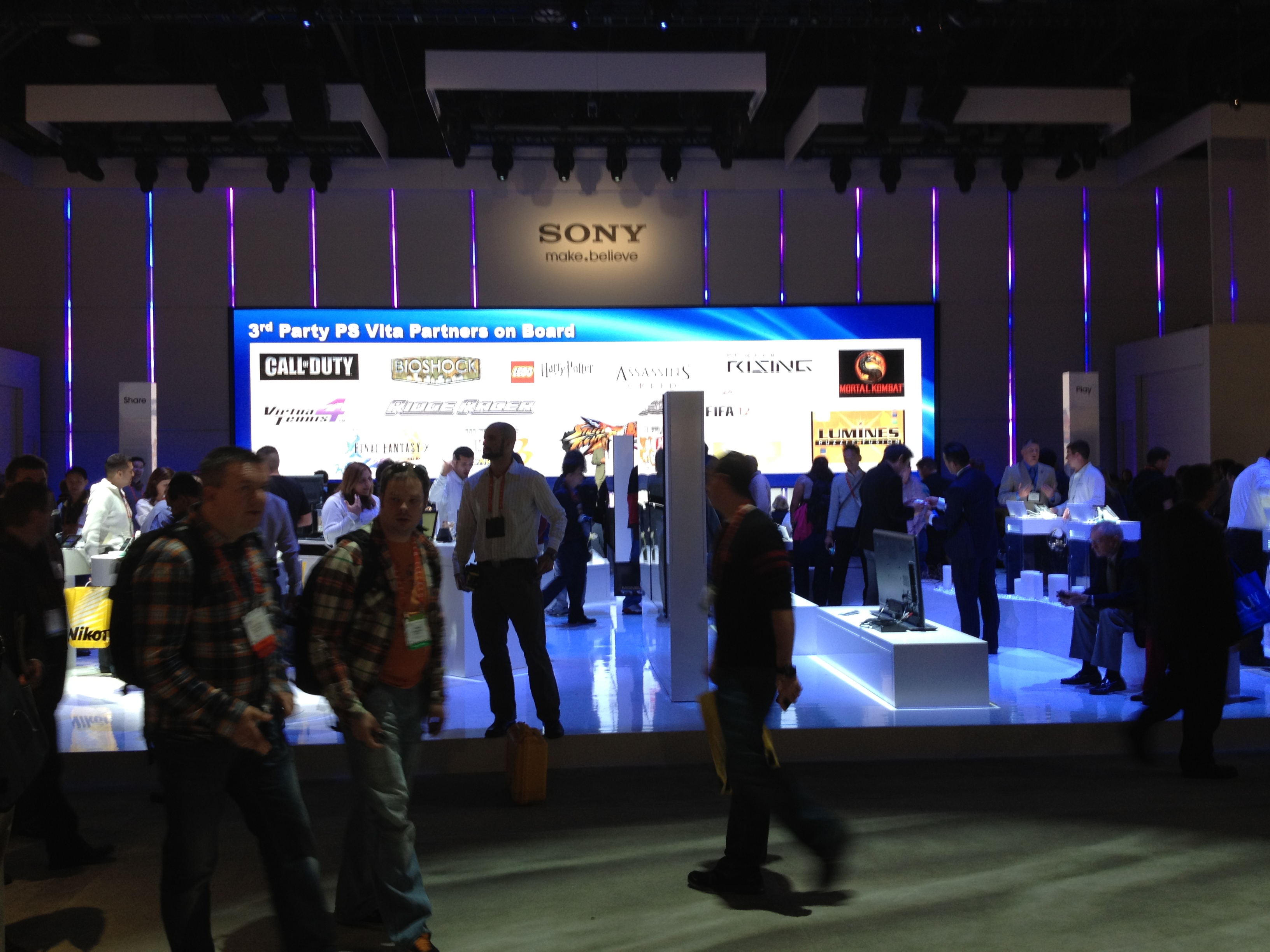
Sony went a step further by connecting their PSP to their TVs, tablets and phones, meaning as a user you can get anything everywhere. A gamer who was on the PS at home and had to run could get to the bus and then turn on their PSP and it would remotely fire up their home system and stream all the gaming to their handheld meaning they carried on exactly where they were, its a cool piece of work from Sony and needed. I felt their TV and tablet experience was behind the competition.
Measurement
We have a problem. In one TV set or should we just say large screen we have social media, photography, communication with tools such as Skype and Facetime, we have movies through all the Apps, TV shows through the Apps, the weather, an ecommerce hub and so on and yet somewhere in there people are watching TV in a linear fashion..or are they? Then on top of that we have all this on top of different platforms and players and across thousands of TVs. How as an advertiser can you a) be expected to navigate this and b) measure it in current methods. Lets face it the panels as we know they are over, they are basic and cannot fully give the advertiser a faith that they are paying for the right information. There will be ways of consolidating advertising by companies such as YuMe but on top of that everyone will be selling advertising in their Apps or via video resellers and exchanges and we have to add all this up? We need ASAP a universal tracking initiative such as online adserving etc to at least pick up a big chunk of those metrics, but outside of that the role of the TV panel either needs to reinvent itself and fast or die.
And finally..
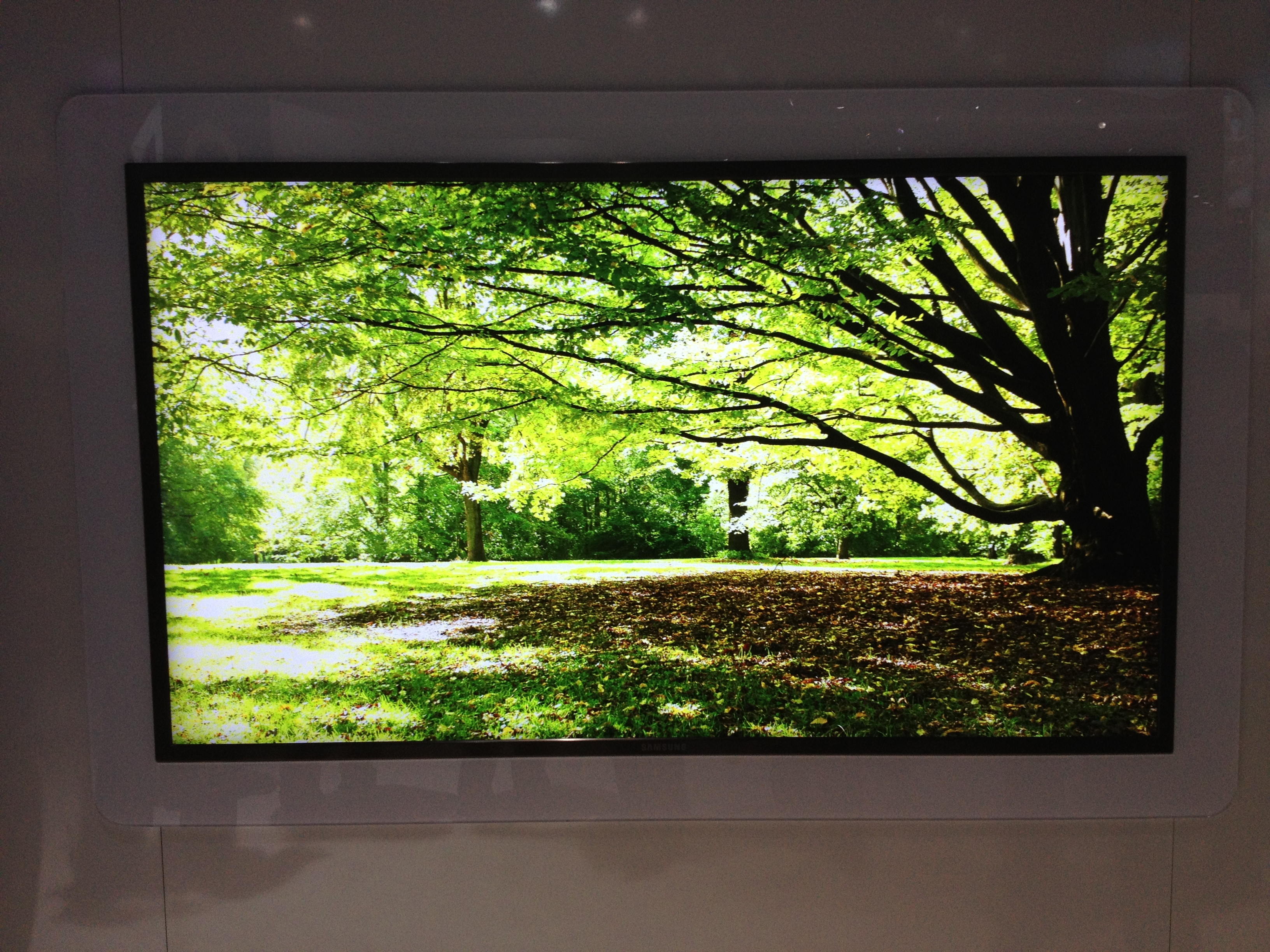
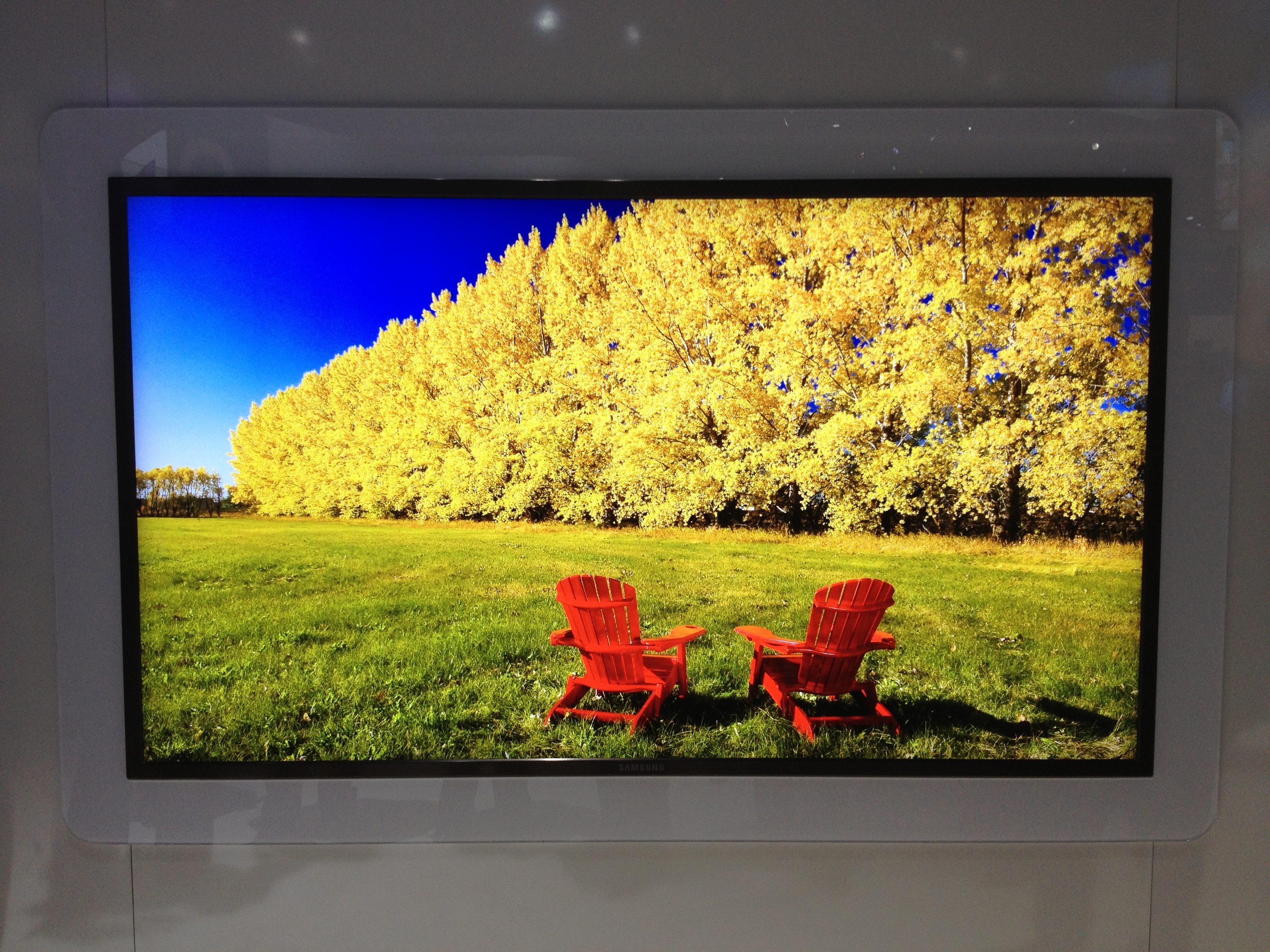
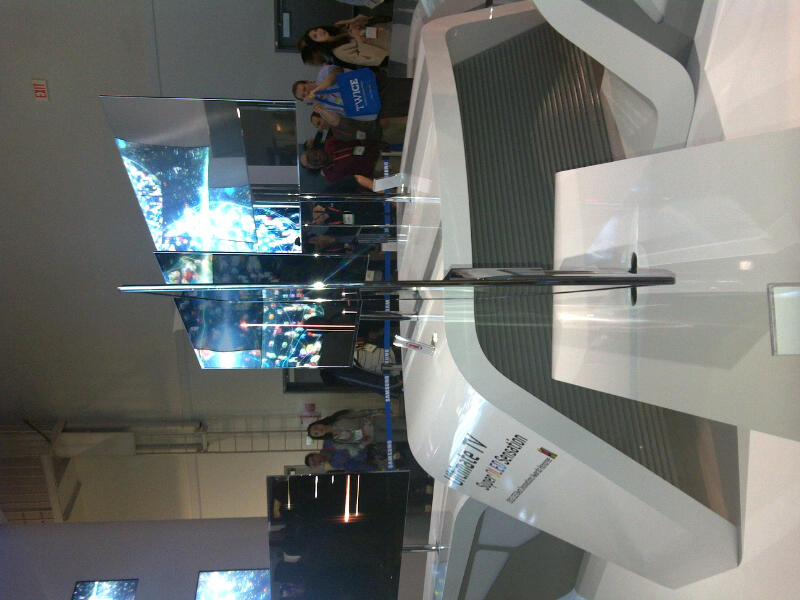
Oh my the TVs look amazing, they are getting slimmer and slimmer and brighter and brighter, see some of the images below, they dont do the reality justice but you get the idea. The colourful images are from the 4K. The 4K from Samsung basically means 4 x HD, the pictures were so real you could barely tell and check out the TV as slim as a card! The innovation is incredible and mind boggling, but I am so glad I got to see it first hand, the world of TV is an exciting one!
The latest debate in the display space is whether or not ad networks are going to have to become agencies and go direct to clients to sustain their business. It’s a fair assumption, the likes of Specific and others will hire agency people, create better strategies and approach clients. The latest article can be found here on exchangewire.
It’s a believable concept but one that is out of sync with the way the industry is heading. Although there is a lot of hype around ad exchanges and targeting / data opportunities, within an agency, exchange trading remains a line on a schedule, albeit a complicated one. The exchange space asks many questions of agencies but that is around change and adapting, once its all settled down, it will revert to being an important channel like search and crucially will be integrated into all the other channels.
Over the last few years clients have been on a journey where in the main they have consolidated channels, first digital overall and then they have dragged search in where specialists have held on for some time. It’s not only channels but they are integrating their media agencies both within countries and between countries with more and more international pitches. Anyone in a major agency will have lived that in the last few years. So after all of this integration I think it is unlikely they will want to start farming individual channels out again, especially when it may be big news in the exchange world but within agencies, it’s just another new channel. Time and time again through research, better coordination and integration has shown better results for the advertiser so there is no reason to split out exchange trading.
There is also some realistic areas to take into account. Clients spend 80% of their budgets on offline, 60% of their digital budgets on search, the rest is split all over. So its fine for an adnetwork to go direct but they will never fill the roll of an agency. The agency roll is more than buying and is across all media channels, its events, experiential, etc etc, it’s also highly people heavy and Ad networks have been used to high margins, low headcount.
So direct is fine but will struggle in the UK marketplace, however I think with time the agencies could start to deliver an ad network experience and product within the context of their huge global corporations. Of course there is middle ground, some chameleon organisations that act as an agency or a network, but their offer only goes so far to be a real threat.
I dont think we need to start a war between agency groups and ad networks, I am sure we will all find a way, but I know what side I would want to be on.
When I started in the Vivaki Nerve Center I had quite a few things on my to do list. One of the most exciting was getting ‘The Pool’ live.
The Pool is a vehicle through which we would bring together advertisers and publishers to participate in a project that would shape the market in whatever field it is concerned with, drive future facing ad formats and hopefully drive revenue on both sides. It was designed to be objective, a consensus approach but based in consumer insight. The Pool started in the US with fantastic results, if you want to read more about it, click here
Video advertising is the subject of choice. Why is that? Well there are some fundamental factors that lead video to be an ideal Lane in any country. Firstly we all know its growing hugely, unstoppable and more and more quality content is migrating to the web which is not being followed by advertising pounds. That leads to the next couple of issues. The ability of publishers to monetise has been difficult due to the constant erosion of pricing and lack of research to prove it works and secondly it’s a chaotic ad market in terms of formats. If you work on the basis of 50-60% of TV ad pounds go against a 30sec Ad it’s easy to ramp up investment rapidly. Anyone who has done video advertising knows there are too many formats, too many creative approaches and publishers all have their own model. The Pool aims to solve that.
Tomorrow sees the launch to all the major publishers in the UK of The Pool Lane 1 in the UK, Long form video. Vivaki Nerve Center with close collaboration from ZenithOptimedia and Starcom will be aiming to get publishers on board with the project to find the single best Ad format for video across a range of categories of results. Once on board we will work through field research and with the help of clients to identify the winning Ad format.
It’s an exciting project and I hope very high profile, the end result should be a win for the publishers, a win for the advertisers and a win for the agencies in the Vivaki groupe. I hope by the end of this there will be a model that becomes second nature to planners and allows scalable spend in video which has to be a good thing.
I will then be turning my spotlight on mobile. Mobile suffers similar issues if not worse and needs to have a greater industry focus put upon it. The levels of spend in mobile display are appalling when compared with the time spent on mobile devices so I hope in 2011 The Pool approach will drive some great new learnings for mobile.
Pitching is all part of being in an agency, to some extent its the best part, the thrill of the chase, the battleground of the pitch itself and then the exhilaration and pride of a win or the dejection of loss. I am sure the more enlightened clients understand what goes on behind the scenes, but i have a feeling many don’t understand the true reality of the labour that goes on. A large pitch can use up a team of 30+ people, working night and day for three weeks to deliver the final product – do all clients understand that?
What has changed over time has been the length of the pitch presentations, some even very large pitches have now fallen to a time scale of 1 hour for even a large account. Many people will tell you that if you can’t get your good idea across in that time then it can’t be that good an idea, I disagree. Some ideas need explaining as do some concepts, especially around the new battle grounds in digital and 40 slides is not enough to bring that to life. I think a major pitch should afford the competing agencies the time to genuinely deliver ideas, if more time was spent, I think more would come out of the pitches, more questions asked and therefore more of a sense of the agency.
The problem comes when often the advertiser cant seem to be able to knock people out of the process at different stages, I have been in processes where there were still 5 or 6 agencies in at the end, that strikes of a complete lack of decision-making from a clients perspective and is not the right way to approach things – have less people in at the final stage and give them longer to present, that’s a good model.
If you have to cover, buying, digital, strategies, responses to briefs, creds and many other areas you will not get enough time in, I think they should get down to 2 for a final stage and then do a Boot camp process where the clients get to spend some decent time with the teams, after all we could be talking about a 100m budget, spend some time and get to know the agency strategies and ideas in detail, then make a decision.
I should add though, agencies on the whole do a great job of these situations, I would like to see them get a better chance to shine.
Monday to Thursday was the plan, but then work got in the way! So instead we went for a Tuesday afternoon flight, one that I of course missed by one minute, one minute that cost me 8 hours! I eventually arrived via Amsterdam and immediately got out into the thick of the event, it’s an impressive set up, there are not many places where you can meet up with all of your work colleagues from across the industry in one single city which is buzzing with both work and play conversations.
Down at the Gala event it was heaving with people from across the business, the business being very varied. Media groups, advertising groups, content companies, digital, film, music you name it, all here. A lot of drunken idiots as well to be fair, in fact some people were such imbeciles I was amazed they had been let in the country!
It was a fantastic evening, I met with Christian and Kate from AOL at their own party on a roof top, very civilized and a great ease into the evening, obviously as a reciprocal arrangement from zeitgeist, who should I see there but Damian Burns, Global Head of Agency Relations and Ben Faes from Google. Later in the evening there was Tom George from MEC, Stephen Haines from Facebook and a few other golden oldies. Although of course most of the talk is social, there is some interesting conversations about what has been seen and heard during the day. Apparently the Ben Stiller/Yahoo event was a little weird and did not entirely work, that said by then we outside the cleverly Yahoo sponsored ‘gutter bar’ which was the end destination most evenings and stayed open until way beyond you should have been in bed, luckily it was next to the Martinez where I was staying, so that worked!
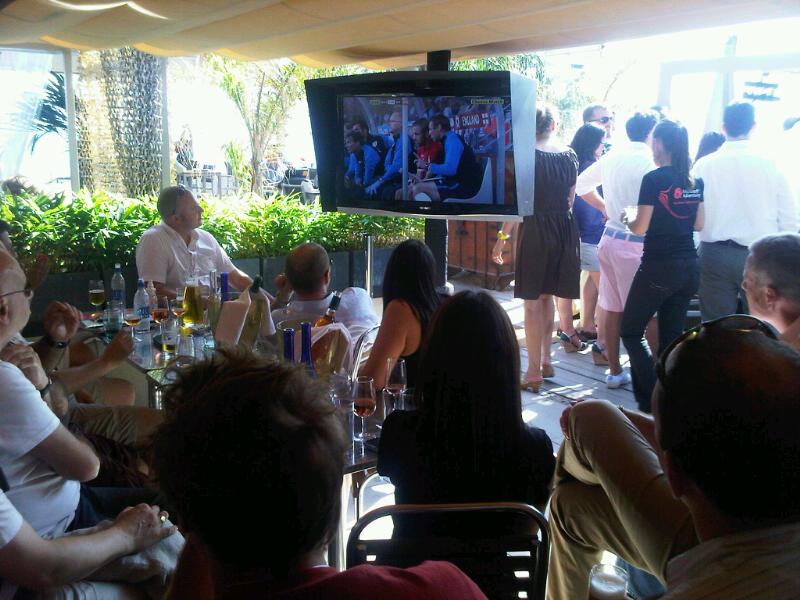
The next morning after 2.5hrs of sleep Vivaki and Microsoft had their ‘steering committee’ meeting which lasted for some hours and covered the state of the nation between our two companies, an interesting meeting with some grand ambition which I am looking forward to working on in the coming months. After a lovely lunch a couple of meetings around ad exchanges (my topic of choice at the moment) and then on to the football. Microsoft hosted a great event with all of the UK people seemingly choosing their beach club to watch, great atmosphere not least as the US were playing and the Americans were getting very excited about their game too, we exchanged cheers through the afternoon, although i suspect they were less sure what they were cheering for!
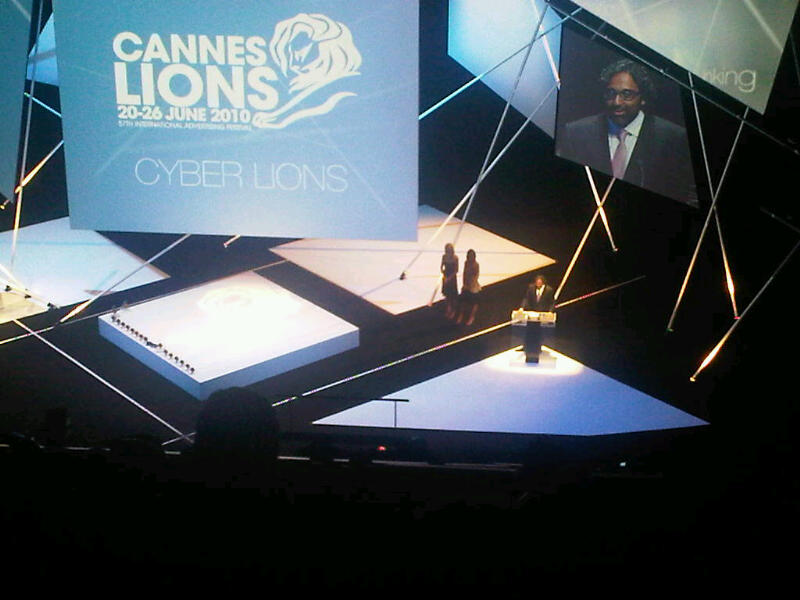
Later at the awards I took my seat, waiting to see what award winning work looked like, there was some great stuff, I loved the recruitment work from one agency that distributed a calendar with a resignation letter for each day, waiting for the day you had had enough. The Aides campaign from TBWA France was also the rudest thing I have seen on the web, a willy chasing a vagina round a homepage and eventually having sex once safely inside a condom was pretty risqué, but brilliantly done.
An evening spent with Google was very entertaining and good to be on the inside when they win a big lawsuit with CBS! It also appears that I was sat down to one of the men who has contributed most to the uk digital scene, our own Bruce Daisley, winner the next night at the NMA awards for the accolade. I am very pleased, if disbelieving for the lad, he is a great practitioner and a great guy, he is just no good at hosting jollies as he reminded me of our jaunt to Germany for the football.
The next morning I got the chance to see the Microsoft Experience centre, packed full of their three screens, windows 7 phone, Xbox and Kinect. All of them looked amazing and full of potential for an advertiser. As I went round though It just reminded me of how little of this stuff the average planner or advertiser has seen or experienced. There is a gap between the possibility and the reality, I don’t think advertisers see how a touch sensitive table could drive their crm or sales. The Xbox is a home entertainment system with connectivity, content and games, do advertisers see this? I don’t think so and even worse I don’t think the agency folk are much better. If you get a chance go experience it!
As my trip came to an end and I got a chance to catch up with some other agency friends on the way home I thought to myself what a fantastic event, yes there is a lot of fun and drink and socializing but it’s a chance to bring a lot of very interesting people together and the opportunity to see some great work and technology.
A 4 hour delay on the way back, rounded the whole trip off. Thanks to Microsoft, sorry I did not make it on your video blog, I must have been as dull as my blog. When I got home I had an iPhone 4 waiting for me, that’s my next post..
People said it would change the way we computed, it does, it makes me think the laptop is a bother to open! In fact I am now walking around with my 3 week old in a sling and typing this, could never do that on a laptop.
Publishers need to change though, they are not taking advantage of this great piece of kit. It’s more immersive, a more personal experience than the laptop. I can see this rapidly becoming my favourite gadget after the iPhone 4 I am about to buy.
A small criticism is that it does look too much like an iPhone, not sure why it bothers me, but it feels a bit like they could not be bothered to do something different. Anyone seen the new windows phone? It looks new and fresh and I was hoping the iPad would try something new. On top of that I wish some of the mainstream app makers were already geared up to deliver their apps for this, I mean no official Twitter app? No linkedin? Come on these machines are designed for staying in touch and will become the business mans friend so it seems strange.
There is no doubt this has changed the computing landscape and I am sure when the next generations come out the iPad will become evermore versatile. So to those wondering whether to go for it or not, the answer is yes..






 Bertozzi's Bytesize