BertozziBytesize: Spotify data: A Mirror not a Filter

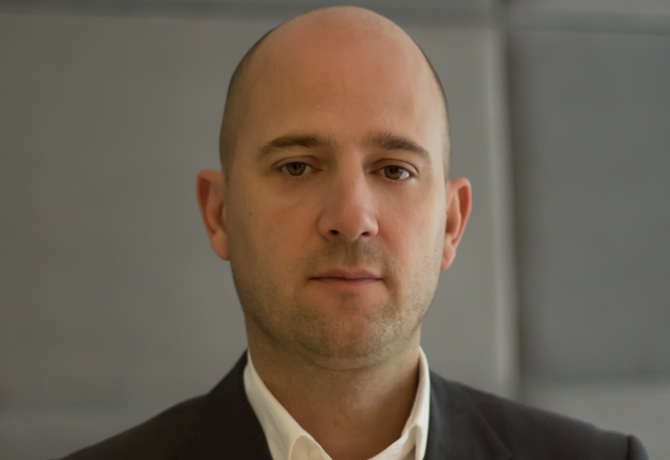
Meet Marco Bertozzi

We talk a lot about data at Spotify and how it shows a lot about how you listen to music. We have a tool that I love, which allows us to add our account and get a pen portrait on our listening habits.  Now outside of this we go to great lengths to add colour to this data but I could not resist checking myself out on this relatively simple analysis about my music listening. I was desperate to see if Spotify thought I was as uncool as most people say! Turns out, it’s not so bad. Perhaps the 152 plays of Waves was a bit much and the fact I generally like Pop, Deep House and House is not appropriate for a 45yr old, but hey – keeping it real..

‘Spotify says: Marco is in his forties and has recently been listening to music in United Kingdom, where he lives. During his 6 years on Spotify, he’s streamed 15,877 tracks, which is far more than the average user. Of those streams, 4,205 were unique songs; that’s also way more songs than average. Marco changes up when he listens based on the day of the week. He listens quite differently on weekdays and weekends. Marco doesn’t listen to Spotify on desktop, instead preferring to listen on his mobile device. Marco is a lean-back listener. He doesn’t engage much with the app when listening, often having Spotify in the background; he plays songs all the way through, often letting songs from radio stations play without interruption, and he rarely skips songs. Marco has recently been jamming to Rag’n’Bone Man and John Williams, though Sia and Calvin Harris are his favourites of all time. In the last few weeks, he’s had The Chainsmokers’s “Don’t Let Me Down” on repeat. And he has listened to “Waves – Robin Schulz Radio Edit” by Mr. Probz 152 times on Spotify – more than any other song. When you compare Marco with all active Spotify users, his listening is very diverse. He listens evenly across many genres, and these genres tend to be very different: Pop, House, and Deep house. He does, however, have a strong preference for listening at specific times of day to music of specific moods. For example, Marco chooses certain times of day that need more instrumental music. Marco tends to prefer listening to his favourite music, but lately, he has been listening to more new music than he normally does. Marco listens to some nostalgic music, but not particularly often. When in the mood, he listens to songs by Howard Jones, George Michael, and John Williams.’

Learn anything? Well you learned a lot about my moods, what platforms I am listening on, type of music and how it forms part of my day. This is just a snippet of how we can work with advertisers and power their moments marketing. Understanding People Through Music will give us all insights that cant be replicated anywhere. Spotify as the worlds largest music streaming service is in a unique position to help brands do this, its an exciting proposition!

NB: Some of the above tastes are swayed by my pandering to my son’s likes! Family account coming soon!
Have we reached ‘Peak Technology’

Original article in Campaign HERE

Cannes is fast approaching, so it makes sense about now for us discuss creativity and technology and how it works together to power our advertising future.

I wonder, though, whether the changes in advertising we have experienced over the past 12 months are going to have as much impact upon the event as the new need to register to walk into a hotel or get on a yacht.

This past year has been quite traumatic for the advertising community; the ongoing onslaught against programmatic, the questions about digital vs offline, and circular debates about which media channel is most influential.

These would all be the standard issues for an average year, until ANA-gate, which kicked off a huge surge of self analysis across the industry.

Procter & Gamble’s Marc Pritchard weighed in more recently and delivered the biggest mic drop – basically calling out the whole digital industry. And of course it did not end there.

Too many unfulfilled promises and uncovered secrets in terms of the micro-targeting, data offerings, media properties that are unsuitable, and not enough human eyeballs.

Enter stage left – The Times – and so the we hit rock bottom. Technology, data, programmatic, privacy, fraud, all in the spotlight.

It has felt like an endless stream of negativity, but what has it changed and how can we expect Cannes to reflect it?

The initial outcomes of all this introspection have been a drift towards a rejuvenation of interest in more traditional channels. TV, premium publishers and “safe” environments are having a renaissance, as advertisers worry about where their ads are appearing.

It feels to me that we have reached “peak technology” within advertising. Too many unfulfilled promises and uncovered secrets in terms of the micro-targeting, data offerings, media properties that are unsuitable, and not enough human eyeballs.

Now we see the need to have a reset – a fresh approach to how we connect with consumers.

It has felt like an endless stream of negativity, but what has it changed and how can we expect Cannes to reflect it?

Now, I’m not suggesting we are going to see an “anti-tech brigade” per se, but we will see a surge of realism… a step back.

In advertising we adore the creation of a powerpoint presentation. Yet we are all familiar with the feeling you get when you get lost in the weeds and eventually you have to say, “what are we trying to communicate?”

I feel that’s the same with our whole industry. I have worked in digital from the start, and we have done exactly that – we started to tell a story, a good one, but it got more and more convoluted.

We allowed other people to insert slides that were “really important” – adserving, retargeting, audiences, data, programmatic – until we are all staring at a mess of charts on the inside of a meeting room glass wall.

We are now looking to go back to basics. What are we trying to communicate?

Well, I suspect Cannes is going to be the echo chamber. Woe betide anyone who starts wanging on about data without substance, to my mind, I believe the industry is getting to the point where, if you don’t own that data, if it does not come from a reputable registration, you should keep quiet.

Stop paying for videos the moment they start playing. Take down the spend going to programmatic Adnets that won’t tell you where your ads appear. And let’s show our ads to humans.

Geo data, segments, match rates and most recently viewability numbers that only talk about desktop and not mobile, your time is up.

We are about to take a step back and look at that wall and rip up all those superfluous slides, get back to basics and start again.

Here is how it will look:

  • Everything begins with a great campaign idea. It begins with a strong hook, a smart idea, a utility that people want, a price people need.
  • It will be followed by some easy questions – did they see my ad? Did they see all of my ad?
  • Did they see my ad for the whole ad or majority of it?
  • Was my ad seen by a human?
  • Was my ad on a property that I would be comfortable with in terms of content?
  • Do I know where my ads were served?
  • Did my ads deliver some ROI?

Anyone remember taking this for granted 15 years ago? Well those properties exist today and there is lots of room for them.

What Cannes I hope will show is that advertisers need to pull down those slides that don’t fit that narrative.

Advertisers have to cut that budget that is being wasted and reinvest into premium publishers. Spend to your heart’s content with digital but make it quality – so stop persuading yourself that scrolling video is viewable and three seconds is good enough.

Stop paying for videos the moment they start playing. Take down the spend going to programmatic Adnets that won’t tell you where your ads appear. And let’s show our ads to humans.

I believe that advertisers could slash half their digital budget and reinvest in the publishers that deserve it – those that deliver audience, quality environments and humans. Our industry has been planning and buying based on muscle memory, and that has to end.

I have worked for 20 years in agency and a few months at Spotify. I am proud of what we are doing as a business and I want to challenge the industry to hit these standards. It is possible. And yes, Spotify does hit those standards, but so do others.

Let’s take the blinkers off, rip off those slides that add nothing to the narrative, and ask the biggest players in town to shape up, and to leave room for them and the other premium publishers.

Let’s cut the dross, and I hope Cannes will shine a light on quality and cast a shadow over the kind of behaviours that will finish our industry and ruin the presentation
Read more at http://www.campaignlive.co.uk/article/reached-peak-technology-its-time-reset-digital-media/1436267#XA4X1cD4BcGXQ3jx.99

My MandM Global piece on ‘Understanding people through music’

First published here

Some classic disco to jump-start the morning, a slice of soothing folk to assist concentration at work, a bit of roaring heavy metal in the car on the way home, and some easy-listening jazz to accompany dinner-time cooking – well, you get the idea.

Sound like your ideal day? Almost certainly not – everyone has their own music tastes. For many of Spotify’s 100 million-plus registered users, that playlist would include Ed Sheeran, who nearly ‘broke’ the platform with 273 million streams of his latest album within days of its release.

Either way, Spotify claims those listening habits are enabling it to help brands create more relevant advertising experiences.

Former Publicis executive Marco Bertozzi joined the streaming service as vice president, Europe, and head of sales late last year. Speaking to M&M Global ahead of his participation as a speaker at Festival of Media Global 2017 in Rome, Bertozzi said that, prior to his move, he had not considered Spotify’s potential for multi-device, day-long storytelling.

“Our core audience is listening to Spotify two-and-a-half hours a day across all different devices. The one USP I hadn’t thought about when I came in is our ability to communicate with people right through the day,” says Bertozzi.

“Even if they have their phone in their pockets, or they are in the car where they won’t be watching video, we have the audio to be able to communicate. That helps us to talk to the consumer right through the day, and I don’t think anyone else can do it.”

Marco Bertozzi, vice president, Europe, head of sales, Spotify

‘STREAMING STATE OF MIND’

Bertozzi will be attending Festival of Media Global in part to discuss ‘The Streaming State of Mind’, a report published last year in partnership with WPP’s GroupM, exploring the growth in streaming of music, TV and movie content across North America, Europe and Asia Pacific.

Thanks to the likes of Spotify and Netflix, streaming has become a prevalent form of digital content consumption, especially with younger Millennial and Gen Z users. The majority (60%) of this streaming is also being carried out using mobile devices throughout the day.

The report concludes that ads on streaming platforms targeting consumers during specific moments of the day – from commuting to working out at the gym – represents a $220m opportunity in the surveyed markets alone (the US, Canada, the UK, France, Germany, Sweden and Australia). These numbers are music, quite literally, to Spotify’s ears.

To help advertisers reach the right users at optimal moments, Spotify has opted to turn its back on the co-called ‘walled garden’ ethos of Google and Facebook in favour of a more open and collaborative approach to data – within, of course, privacy parameters that listeners find acceptable.

“Our challenge is to make advertisers realise they can work with us in all these different ways”

Last month, Spotify partnered with Acxiom-owned ad tech company LiveRamp to allow brands to combine their first-party data with its own. Currently being tested in the US, with Europe and other regions to follow, Bertozzi claims this style of ‘people-based’ marketing will finally surpass the old cookie method, and help marketers to improve both targeting and their understanding of campaign performance.

“The sophistication around data-driven marketing is going to continue to grow. A couple of years ago, people would have described using third-party data as being ‘data-driven’. I think we have now moved to an era now where it is more focused on CRM, custom audiences and data matching,” he says.

“[The RampUp partnership] is going to be a really big deal for us, as – in terms of opportunities and capabilities – it puts us in the same league as the Facebooks and Googles of the world.

“It allows us to have much more in-depth conversations with our advertisers, in understanding their audiences better and being able to target and create audiences, [as well as] tracking sales, because you have matched the data. That is a huge play.”

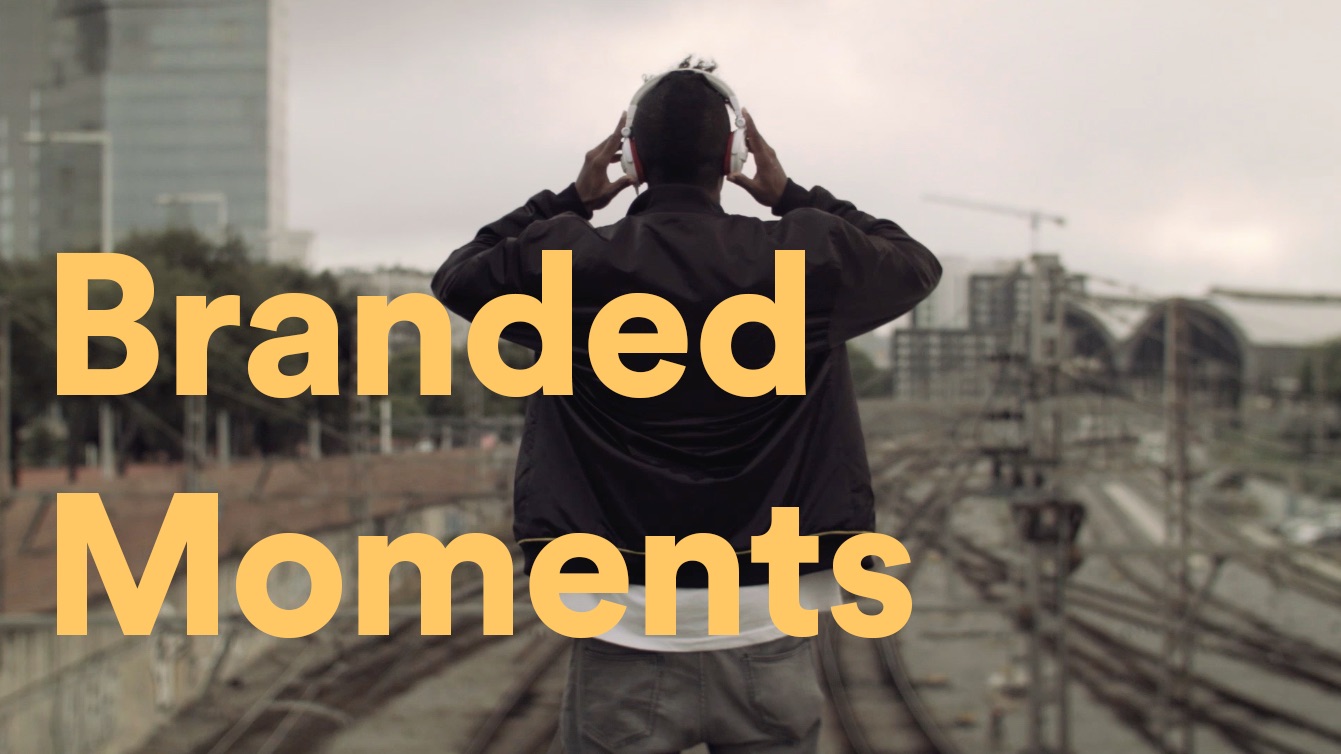
UK supermarket chain Sainsbury's became the latest brand to test Spotify's Branded Moments format
UK supermarket chain Sainsbury’s became the latest brand to test Spotify’s Branded Moments format

AUDIO-VIDEO-DISPLAY TRINITY

For Bertozzi, Spotify’s core digital audio takes the “personal link” and “intimacy” consumers have long enjoyed with radio as a medium, and offers advertisers contextual benefits. “It’s the best of both worlds,” he insists.

As well as its bread-and-butter music industry campaigns, Spotify has been looking to dial up the creativity of its ad deals. In the UK, supermarket chain Sainsbury’s has used the platform’s Branded Moments format reach consumers in the kitchen while they are preparing meals – and working out plans for their next grocery shop. Disney, meanwhile, also selected Spotify for an elaborate music-themed campaign to promote its latest movie release, ‘Beauty and the Beast’.

A key challenge, however, remains, namely in the need to drive awareness among brands that Spotify – famous for its audio services – offers the full suite of video and display ad formats.

“Advertisers like the fact they can combine video, display and audio as a single campaign, connecting channels that used to be very siloed. That helps us to do more of that storytelling that brands talk about,” says Bertozzi.

“There is an opportunity for pretty much any advertiser to work with us. We talk about the power of audio as one of our key narratives, but we’re talking about it in the sense of people listening to music and podcasts. From an advertiser point of view we are a multi-channel experience, and our challenge is to make advertisers realise they can work with us in all these different ways.”

And to the big question – can anyone (or anything) top Ed Sheeran’s incredible strangle-hold on Spotify playlists in 2017?

“Very good question,” chuckles Bertozzi. “It’s hard to see anybody coming up behind Ed Sheeran any time soon. I guess it will be if someone, somewhere could persuade Taylor Swift to come back, but that is well above my pay-grade!”

Marco Bertozzi will be speaking at Festival of Media Global 2017. Click here for more details.

The re-birth of digital advertising

So I thought for a change from talking about Spotify, I would give my humble views on the latest digital furore.
It is a well trodden path – Scandal first, debate and finger pointing and finally actions and solutions often leading to a better future state. We see it in everyday life with so many different topics.  It is always a shame that it gets to that point but at the same time we should grab the opportunity that it presents us.
I know I sound like an old git and have said it before but I have seen so many stages of digital, starting with the concept of selling hits. Ironically we never knew less about what we were selling in 2000 but it was probably in front of humans back then, Ad fraud was not on the radar. We have seen the social media wave, video, programmatic,  and on it goes.
However this latest scandal is not about impressions appearing against unfavourable content, and by all accounts a tiny amount,  it’s about the fact that everyone just got a cold bucket of water thrown over them and screamed at to wake up. The bucket was thrown by The Times as it happens but this topic has been on every stage in programmatic for two plus years. It has been the sell of many companies talking about brand safety for years but the truth is, no one listened. In 2014 I was at a ANA conference with hundreds of buyers and I asked them if they cared about brand safety and unanimously they said they did. I then I asked them if they bought blind performance or blind inventory through any number of RTB networks and most did. I ended with the phrase. ‘Then you don’t care about brand safety’ this is not to have a dig at those companies, by the way, many still operating, but to make the point that the issue has been out there for some time.
My blog is littered with articles I have written on this topic and I was not the only one of course. Trouble was no one listened.  Ask any agency that wanted to deliver more brand safe impressions, the toughest thing was applying quality inventory, whitelists, vetting etc and still hitting cpms demanded by auditors and pitches.
So now the scandal is passing and we have had much debate, now on to the solutions. Here is my take out on the topic. Here are the likely developments for the industry:
  1. Advertisers are going to continue to take more ownership of their programmatic work in some way, hopefully finding a happy balance with agencies, combining best of both worlds
  2. Quality media will see a resurgence – it will at least be given air to breathe. Quality sites will be seen for what they are, brand safe with quality audiences
  3. Verification will be standard for Facebook and Google – at last advertisers will be able to see what their viewability scores are on puking rainbows
  4. Standards are about to shoot up. At Spotify we sell all video with Moat HAVOC standards – Human, Audio, Video, on complete. Our ads deliver 100% SOV, 95+% viewability. See these as becoming standard.
We are entering a new dawn for digital advertising, the question is whether everyone goes back to sleep or decides to get up and out. Take the opportunity to make our industry a better place.

Bertozzi bytesize: 20yrs of agency, 20K minutes of sales – what have I learned?

I could have waited a month, six months, a year to write this but the biggest impact of jumping in cold water comes immediately, not after a few minutes, so I thought I would try to sum up my feelings about the change from agency to sales two weeks in.

This is not a blog about better or worse, it’s about difference. I am old enough and wise enough now to know that everyone goes to work every day and takes what they need out of work, you can only hope that you find a role that fulfils you, we spend a lot of time at work and being happy there, whatever the role is important. What I will be finding out I guess is whether I should have been doing sales all along, as many have told me, or whether I had it right first time. I feel like timing and choice of company will also impact that decision and I will come back to that shortly.

1.Clarity of focus

So 20,000 minutes later, the first thing that really strikes me is the clarity of focus. I used to describe that as ‘does it not feel repetitive talking about only one thing?’ But now I am in it, there is something liberating about having a clear focus on what your role in life is, it helps being in a brand as strong as Spotify admittedly, but nevertheless. Agencies have a lot of ground to cover and they have to be experts in many things which is hard and they do a great job of it. When I think of a planning director in an agency, they have to be strategic, understand everything from content to programmatic, keep the client service ticking over and that is not easy. That range of services and opportunities needs to be communicated to clients and so meetings have to cover so much and sometimes without the time to really go deep.  When I hear people say ‘I can never get hold of someone’ I suspect it is because they have shifted their time to their clients and not meeting everyone and their dog from the outside. What appears to be a negative, is likely a positive.

On the media owner side, dark side, partner or publisher side you are there for one reason. Everyone knows you are there to talk about your brand and your proposition, the challenge for us is that we have to do a good job of that, since that is all you have to do. As an agency executive I would expect sales people to know their product inside out, ideally know what’s happening in my business and with my clients and deliver a clear and persuasive argument as to why I should spend money with you. The clarity of that purpose is quite liberating. I was in a meeting with a large global client and for me the first thing was that the relationship of our two brands was a no brainer – our audiences complimented each other perfectly. That is something as a publisher, if you have that you should be confident of it, how you then connect the two brands is just a collaboration using all the assets we have available to a brand.

2. Pace of work generates energy

I expected the pace to be different for sure, agency life runs on a different, longer term timetable, different objectives and I expected to find that on the sales side, but there is a stark difference. Of course things are shorter term, but pleasingly mixed with longer term strategies running in parallel. On top of the pace of things though comes the energy which is generated – the communication is fast and frequent, the team support each other and there is a great energy, again connected with clarity of purpose. I think that is something that 20K minutes in, I am enjoying the most. The team has great energy and I love seeing them getting behind each other, both in country and across countries.

The time in CES which I was lucky enough to enjoy with some of my European band members and some of the US as well was a joy in terms of spending time with people who are all excited and pulling for each other. The Spotify space in Vegas was real quality and I felt proud to be part of the company and especially when combined with the great people I met who all welcomed me in. I am going to spend the next week with them in NY as well, which I am thoroughly looking forward to.

3. Numbers

Yes. Numbers are everywhere, this is a company built on understanding our business regardless of your level, sounds obvious? Well I think sales people who move to agencies may be surprised how relatively cosseted the equivalent levels in agency are from the business metrics behind what they do. At a certain level of course there is more exposure but there is so much to make sure you are on top of in a shorter term revenue business to make sure that targets are met than you would find in agency. At a large Google conference that I go to every year they split it into buy and sell side. This year it fell right on the change in my role and so I asked if I could swap and join the sales side tracks even though I was invited as buyside. It was interesting to me that on the buyside everything focused on what could we target, how could we use the data more, how can we join up channels etc. On the buyside it was far more commercial. How do we drive revenue for our valuable and scarce quality audience?

So you want to join the dark side? Well I am afraid I think it will depend on who and when you join. I wrote down the kind of company I wanted to join, and Spotify came top and I was lucky enough to get in the door. I feel comfortable in this environment because I can be passionate about a brand that is in the hand of the most sort after audiences for 2+hrs a day. I feel passionate about a brand that people love and that makes my job so much easier. The clarity of purpose suits me, the brand suits me, and the team is great so it works, albeit 20K minutes in! Agencies provide a powerful view of the landscape, you get to see everything, that variety is intoxicating so if you move to media owner side I would suggest go somewhere you care about and has a great offering, that more than makes up for the slightly more focused narrative. That said, I have enjoyed meeting some of the agency contacts I have been mates with for 20 years, that gives a whole new perspective on  things. I look forward to working with all those agency friends, I just happen to be sitting on the other side of the desk.

Goodbye & thanks Publicis, hello Spotify!

Give or take 20 years ago I started at Zenith Media and with the exception of two years the Publicis Groupe is where I stayed. Through the intervening years I am pretty sure I set a record in the number of companies I worked for and in. In that time I have worked for Zenith Media, Zenith Interactive Solutions, Zed Media, ZenithOptimedia, VivaKi Nerve Center, VivaKi, SMG, Performics and PMX. I have worked in UK, EMEA and Global roles as well as two short stints in the US (NY and Chicago) and along the way I have met some amazing people from countries all over the world.  I still marvel at the fact that it is possible to pick up the phone from Australia, China, India to California and everywhere in between and speak to a friendly voice. It is without doubt the best part of the last 20 years and I could never have imagined back as a Trainee TV buyer in Paddington that all that would have been possible.
Publicis has given me so many opportunities to progress and for that I will always be grateful, from my earliest boss in Tracey Stern through to Gerry Boyle and the late great Curt Hecht. They all had one thing in common, they supported and guided but allowed you room to grow and take responsibility for your own work, and most of all, were human. When the pressure is on, when things are not always going the way you want them to, being able to keep hold of things that are important to each of your team is vital, support them as people and the rest will come naturally. Politics, P&L pressures, come to everyone, don’t let them make you forget that everyone is human and appreciates direct and honest conversations, integrity first. There are way too many people to mention in this blog, but thanks to all those who have supported me and helped me succeed over time.
I think my first few years in Zenith were foundational and there are so many friends from that period scattered all over the business and doing great. Zenith was a powerhouse and incubator for so much talent in the industry and we all still reminisce about the fab times back then. They all know who they are so I won’t list them, but its great to see them all doing so well. The VivaKi AOD years hold special memories, so much fun, working for Curt Hecht and Kurt Unkel, fighting it out on one conference stage after another with the anti-trade desk brigade, the travel, the growth and wonderful team. Paul Silver, Geoff Smith, Danny Hopwood, Jen Hubbard, Sam and Lina, the foundation of AOD and then broadening out to all the stars of the region with Jean Baptiste Rouet, Adeline, Lothar, ilke, Sara, Bea as well as the US team – Kurt,Cheri, Cassie, Sean, Kurt, Kelly, Doug. We were a dream team in early programmatic and what a laugh we had whilst working our socks off, and there it is, enjoying work will conquer all and boy did we enjoy it!
Finally on the people front, a massive thank you to Becky Hopwood, my one and only assistant through all the travel, the change the ups and downs, my good moods and less good moods! She has been part of everything since 2010 and helped me both at work and out of work and for that I am immensely grateful.
Publicis is going through huge change now, creating a new model for agency groups and I know they will come out of it better and stronger and ready to address this incredibly complex world we now find ourselves in, there is a great a team there and I wish them all the best for the future. I want to thank everyone from all over the world who has sent me notes and messages of support, its been an amazing eye opener, all the people I have crossed paths with and who have got in touch.
Now for the next challenge. In identifying my next role I had some criteria that I was adamant I wanted to have. I was looking for a company that was deep into data, technology and content. I wanted a company that could contribute to the desire of advertisers to engage positively with consumers and be part of their lives in a way that was one to one and added value. I wanted to work at a consumer facing company, being able to use the product, listen to people’s feedback and watch the world engaging with the brand. I wanted to work somewhere that had achieved a lot, but had so much more opportunity to go and finally somewhere that I knew was a company people liked to work for and with. I am hugely excited to have found that role at Spotify.
I am thrilled to be joining a team that is so focused, has a wealth of smart people and product and be able to work alongside all the other team members to create a company that leads the market in innovation around data and tech as well as delivering the best experience for our clients and agencies. I know the next few months are going to be a whirlwind of activity and can’t wait to get going and meet everyone internally as well as our clients. I have had a really enjoyable first chapter in my career and now to the next. 2017 here we come and yes it starts with a trip to Vegas.
Thanks and over & out.

BertozziBytesize: Why do TV and ‘Digital’ have to argue all the time?

DONT START…I added quotation marks around digital because I know that Tess Alps would be all over it in a second, but I had to describe it as something and there lies the issue for many. Old ways of describing a world moving at a 1000mph are not sitting comfortably at the moment. In the last week or so I have been witnessing the never ending battle of TV vs Digital. The first was during IAB Engage and the second was the Video Ad News conference. Mainly played out on Twitter, noone wins, it normally involves bright people and Nigel Walley and I always wonder what it would be like to have all these people in a room together, working together.

At the heart of the issues lies the definition of what constitutes digital, TV, mobile and how should we talk about them and report them. Those who follow Twitter feeds on the topic will see it is something that appears to have little end in sight. Now I know we are all eating from the same trough, advertiser money, but surely we can work more effectively together and create some strategies that bring all sides together to recognise the benefits of both.

It strikes me that we have a synergistic relationship going on where one supports the other. TV has a history of making brands famous and creating a rapid rise in a brand’s recognition, digital has helped socialise TV and delivers the ROI through websites and follow up digital activity (in addition to instore) but it is vital that we work together to create more studies and more work to prove out these different theories and at an industry level, not just advertiser or agency case studies.

Digital has taken a battering over measurement and quality in recent times and indeed this should and I believe is a wake up call for many in the industry, TV on the other hand is perhaps guilty of resting on some laurels in terms of what it has achieved rather than making sure it is future proofing itself. An amazing amount of progress has been made in the last 2 or 3 years and its great to see but there is a lot more to go. An example of adaptation is where TV may use different tech to deliver ads but can still report back in similar TV metrics and not dive into digital ones, likewise video networks and supply sources have to find a way to include themselves in the GRP discussion rather than bang the table saying, ‘they are right about measurement.’ Todays moderator in an opening address was fast to try and encourage the audience to agree that TV measurement was wrong, we have always known it, but at least it was consistently wrong.’ Controversial. Especially given the current digital malaise. TV measurement is solid if at times a little limited but not wrong.

I would be excited to see TV progress in the way that Sky have started to go, taking incremental steps forward in targeting and reporting and I believe we will rapidly arrive at an offering that combines a good quotient of TV and Digital (there I go again, all TV is digital) benefits. Sky is in the driving seat right now so don’t be surprised to see the channel broadcasters cutting deals with Sky to be able to use Adsmart and IQ like targeting in the future. One area I will be interested in is to see how they embrace the data discussion as regards advertisers and their DMPs. It is still early days but the use of DMPs is moving at pace and becoming more and more sophisticated. As advertisers explore ways to use their first party data against media properties and media buying, perhaps TV has an opportunity to work with them collaboratively and not create another walled garden.

Of course Sky can become the next walled garden and on some levels I would not blame them, but they are in competition with Google and Facebook who most definitely are walled gardens. They  are unlikely to change, Facebook has 350+ billion dollar reasons why it cant be bothered to, BUT ITV and C4 could go a different route and help advertisers invest in their properties and demonstrate sales through integrations with DMPs.

Its not often I sit on the fence or become a middle man, but I believe that we could all learn something from each other and one is not better than the other. The biggest crime is that we don’t admit failings and don’t admit that we could learn from one another. As more TV becomes localised, one important lesson to learn from digital is to not let standards drop on creative. TV advertising on the whole is of the highest standards but as a more local offering creeps in with Sky openly encouraging local businesses to come into the TV market place, we are in danger of having a US experience with men standing outside their local garages offering this weeks best deals. TV must keep creative of the highest standards.

We need to keep going back to understanding people, and as we know, people don’t differentiate these channels in the way our industry does, they instinctively just know what they want from each of them. We could all learn from that too and get on with working out how best to engage them and not annoy them.

Interview with Jay Sears on automation, programmatic and more!

Original version posted here on http://www.mediavillage.com

Jay Sears, Senior Vice President Marketplace Development of Rubicon Project discusses advertising automation with Marco Bertozzi, Global Chief Revenue Officer of Publicis’ Performics as part of a series of buyer conversations on the topic.


JAY SEARS: What do you read to keep up with politics, art and culture?

MARCO BERTOZZI: Almost all of my reading comes from a combination of Twitter and Sunday newspapers! What I follow on Twitter outside of the adtech and performance worlds represents my interests and is the fastest way for me to keep up. Sunday newspapers are my break from staring at screens and I take in some good old print for my news and views.

SEARS: What do you read to keep up with friends?

BERTOZZI: The most useful app to keep up with friends was Newsle, now owned by Linkedin. It sends you an email every time any of your friends are featured — especially useful for work friends. Outside of that Instagram and Facebook bring in baby pictures!

SEARS: What do you read to keep up with the advertising technology industry?

BERTOZZI: I read all the usual trade magazines, I watch TED talks on tech which is always fascinating, and of course Twitter again. You may be getting the idea by now that Twitter helps me navigate most things!

SEARS: What’s your favorite commercial of all time?

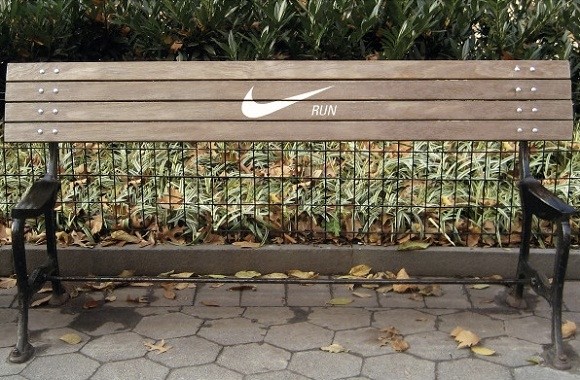
BERTOZZI: In past years I have said the Black Current Tango ad. But every time I see the ad from Nike with the park bench that has no seat, but on the back rest it says Just Do It I think, “Wow, that’s great!”

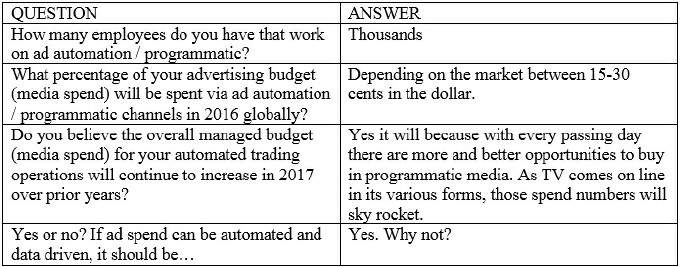
SEARS: With regards to advertising automation, what are the three biggest trends you expect to impact companies in 2016 and 2017?

BERTOZZI:

  1. The biggest area of opportunity is around data driven shifts away from IOs into direct deals using programmatic pipes (PMP), and that requires heavy use of a data strategy (data warehouse, DMP).  We know now what it takes to be successful with programmatic, and data is foundational along with the knowledge and algorithms for optimization, attribution and planning.
  2. Survival of the fittest in the ad tech space. They are coming under increasing competition and it’s hard to sustain at the rate they have seen. Many agencies and advertisers are trying to consolidate their tech.
  3. Automation of once called “offline” channels is going to boom in the next three years with TV at the forefront. Historically the broadcasters and platforms have been accused of being laggards but I see that changing and I believe we are going to see a hockey stick of activity in the addressable TV space. Whether it is Sky or Dish or NBC, everyone is now looking to play in automation and targetable linear and VOD ads.

SEARS: With regards to advertising automation, what are the three most overblown topics that you wish would just go away?

BERTOZZI:

  1. Complexity and how many people use it as an excuse for not learning new skills and terminology. It is a personal bug bear that so many people want to hide away from what is the biggest shift in our industry since TV. I would say though to be measured, there are still too many people focused on the “what” and “how” and not enough on the “why.” That is fair and we should fix that in ad tech land.
  2. The question, will all media be automated? This is a non-topic now; it is fundamentally clear that we are on our way to that end result. Every channel is moving in that direction and there is no way to stop it. We have to embrace change and maximize the sophistication with which we approach it.
  3. Ad-blocking debates. We will solve this as an industry and it will bring a far improved web and mobile experience. We need to stop talking about it and start doing something about it. We should never have a panel that does not have solutions and examples of solutions, not just more talk.

SEARS: Describe your company or division and then tell us the three most common issues with which you help clients with respect to advertising automation and programmatic trading.

BERTOZZI: Performics is a Publicis Media global agency brand while at the same time it is the performance arm of the other four networks, providing a best in class performance marketing offering to each of those agencies. We are focused on the relentless pursuit of results!

I believe that we are experiencing the same as many other companies, which is the issue of such a fast-paced market place as regards technology. We are simultaneously delivering best in class programmatic solutions while trying to make sure we keep up with the latest technology and building for a data-led future.

The three issues are:

  1. Education needs to be prioritized for every agency. Through the power of the Publicis Media practices from Data, Technology and Innovation as well as Research and Insights we have a very strong machine to help us with this but it is still a daily requirement.
  2. All media should be and will be able to be traded programmatically, however the reality is not always as good as the promise. There are still issues of delivery through the supply chain of premium publishers and tech, where IOs are not always delivered or delivered in full. Where technical issues arise there are often a number of parties to manage.
  3. Being able to work with and around the walled gardens of some of our largest media partners will come more and more front and center as advertisers invest more in data strategy and DMP activation. This new approach will ask more and more questions of the walled gardens and want them to open up a little so an advertiser can get a view of the whole ecosystem.

SEARS: Tell us about your company or division.

BERTOZZI:

SEARS: The majority of ad technology companies have struggled (relatively small, unprofitable or both). Of the poor performers, what are the commonalities between them that have contributed to this weakness?

BERTOZZI: The three biggest mistakes I see them make are that they are unable to differentiate from the competition and, connected to that, they don’t understand their competition. Without differentiation you have a spray and pray approach and hope something sticks, rather than knowing where to target. The second and related point is that they are not sure what they are; they come with a menu of options without going deep on any of them, almost hoping we will work it out for them. Finally I would say that not over-promising and making sure you deliver what you say you’re going to deliver is vital.

SEARS: A smaller handful of ad technology companies has achieved scale and performed better than the rest. What are the commonalities between them that have contributed to this relative strength?

BERTOZZI: The opposite of the above. One addition: people. People who are able to build strong relationships and develop trust very quickly will always win out in the end, when combined with the opposite of my list of mistakes.

SEARS: Do we live in a “tale of two cities” where Google and Facebook win almost everything, advertisers are dictated to and other media companies fight for the scraps?

BERTOZZI: To some extent that may be the case. I would say that some of the competition that publishers have always experienced is just consolidated, but it doesn’t mean it wasn’t there before. In that consolidation the question is whether or not that then makes life harder or not for publishers, or just easier for buyers. The market is evolving, however, and there is a lot of spend moving away from very poor, non-transparent ad networks where fraud and lack of transparency have been an issue. The time has never been better for publishers to stake their claim to provide quality inventory and encourage advertisers to invest in them.

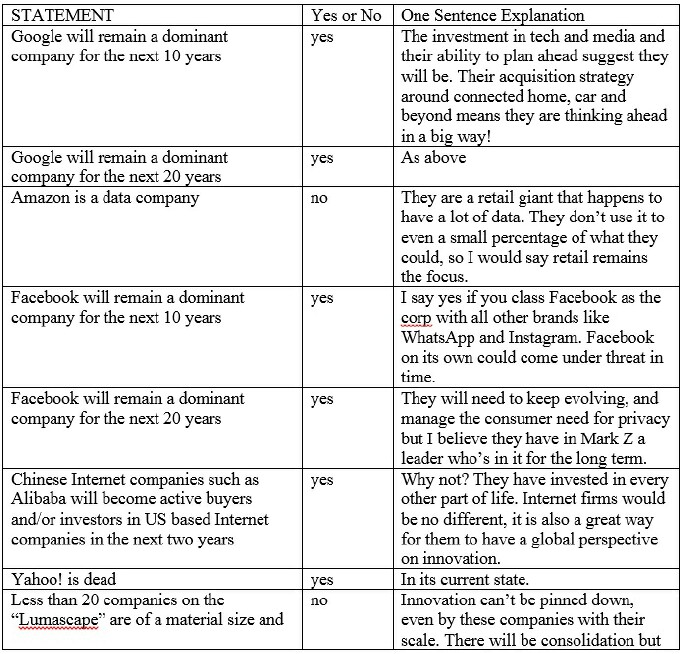
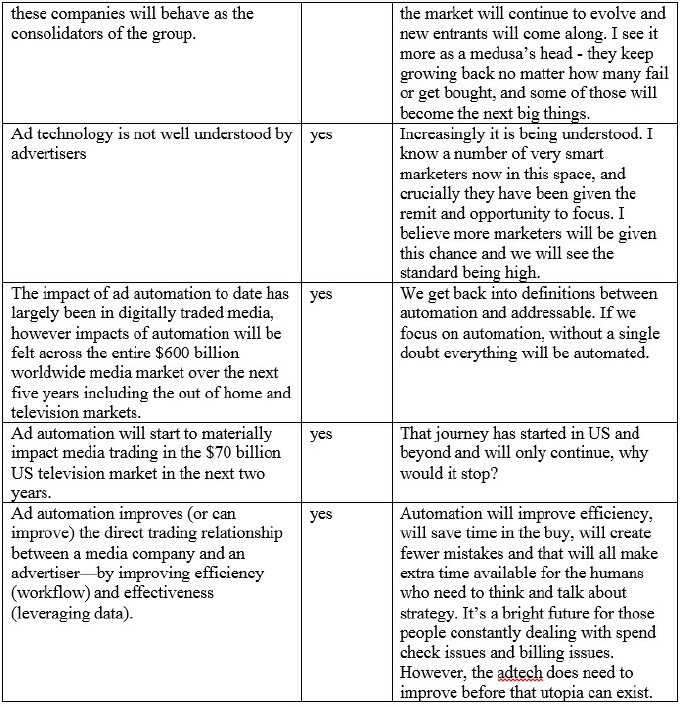
SEARS: Please answer the following statements yes or no.

BERTOZZI:

SEARS: If you owned a yacht, what would you name it?

BERTOZZI: Angelina! If I owned a yacht, it would likely be my second biggest pleasure in my life, so it makes sense to name it after my first.

SEARS: A young family member has come to you seeking career advice. They must choose one of the following careers: ad agency executive, ad tech executive, company marketing executive or ice cream shop owner on the French Riviera. Which career path do you recommend and why?

BERTOZZI: Company marketing. I say that because it’s the broadest and applies to all the others. If you become smart in marketing you can apply that to all the other jobs and improve them or grow them. Of course in the world of the chief marketing technologist I would encourage them to get smart on the tech side of the business while they’re at it!

SEARS: What is your favorite restaurant in the world?

BERTOZZI: Impossible!

SEARS: Thanks, Marco!