Business photography

A few photos from the last few weeks on the road! Instead of my usual stuff I thought I would let the pictures tell the story!

20120622-165714.jpg

20120622-165735.jpg

Damian Burns doing his usual top class client service, another Damian in the background being less professional.

20120622-165750.jpg

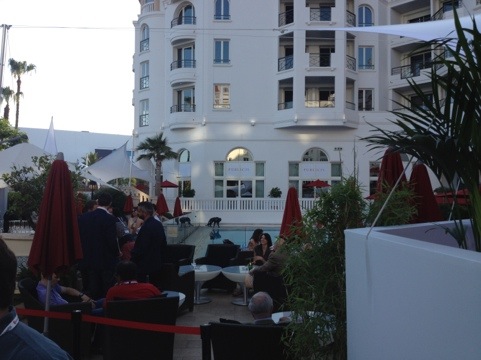
Mark Ronson at the Microsoft Party in Cannes – a very cool session

20120622-165811.jpg

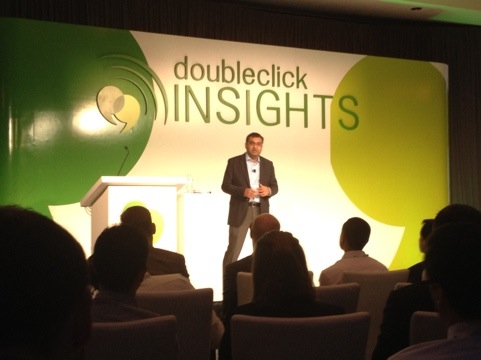
Neal Mohan of Google setting the scene at the start of the Client Advisory Board Meeting in LA

20120622-165839.jpg

An amazing view of the beach at Dana Point, a beautiful jog first thing

20120622-165907.jpg

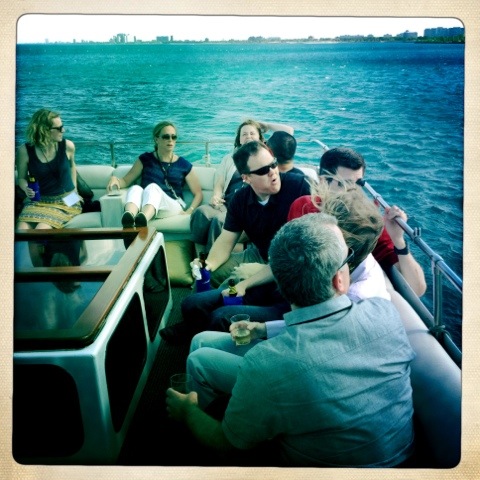
Tracey Scheppach of SMGx and VNC fame on the water in Chicago with HQ just behind

20120622-165917.jpg

Beatriz and Sara from Spain and Italy talking RTB (Not)

20120622-165934.jpg

20120622-165951.jpg

20120622-170003.jpg

20120622-170026.jpg

Google Zeitgeist 2012 – my highlights

OK for those who clicked on the link looking for content here it is!

I genuinely don’t know where to start. Google Zeitgeist is simply the premier event on the Calendar bar none. It is a collection of amazing brains and characters (me excluded of course) and hugely influential businessmen, politicians and this year revolutionists!

We started with Politics and Niall Ferguson who painted very eloquently and fluently a view of the economic crisis we are in. He basically highlighted a few key issues about our current financial issues in the Eurozone. Click Here to watch

1. We have complete financial inter-dependencies but very few political

2. The politicians have chosen procrastination as a strategy

3. None of the major financial leaders have learnt from the crashes of the past

4. The Germans work the least of everyone in the Eurozone and are always on holiday

As an aside he was an amazing speaker and everyone in the crowd was raptured by what he had to say, but the end result of it was that we are in some trouble but at a point where we could move towards recovery but not without some decisive action and he fears that not enough of that is actually occurring.

Greece – George Papandreu – Ex Prime Minister of Greece

See the whole video here

http://www.youtube.com/watch?v=SW99H1uYP88&feature=relmfu

George was both positive about what Greece held and yet concerned about the mis-management of the country. I believe that he was overly positive about the mindset of the population when it comes to work, claiming Greece is the hardest working country in the Eurozone – ummm not so sure. I have Cypriot inlaws and they dont describe a country being run with sweat, blood and tears!

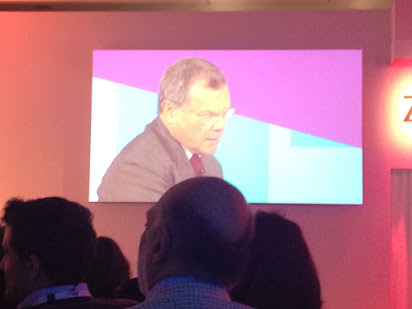
Sir Martin Sorrell had us all reconsidering everything we had just heard by saying that everything in life was cyclical and that we should basically ‘get over it and move on!’ He explained that the world had changed and that growth was no longer from the usual suspects and we had to look to RApple Russia and China with the example that Apple was selling 20% of its products to China.


Enough about politics – lets talk about the fact that 100 thick people working together is better than 100 clever people not working together! The afternoon was an amazing demonstration of clever people talking and inspiring you to think. Matt Ridley explained that to make a mouse we have thousand of people working together from the oil to the plastic to the factory and yet no one knows how to make a mouse, they know only their bit.

Dan Ariely talked about cheating and the complex inter relations between how we act and our moral code. They noted that people who had been asked to remember the ten commandments and then given a cheating experiment, almost no one did! Click here for the whole video however he explains that the world has a few big cheaters, many many little cheaters. He discovered that when people were given the opportunity to cheat for something one step removed from cash ie for a token you then change for a dollar, people were a lot more comfortable lying. He used the analogy of taking a pencil from work – you would take a pencil but would you take 50cents from the petty cash? Fascinating examples based around how we justify actions.

He was such a truly inspiring speaker – definitely watch the video on this one. The final suggestion is that we should confess regularly as it resets our moral compass!
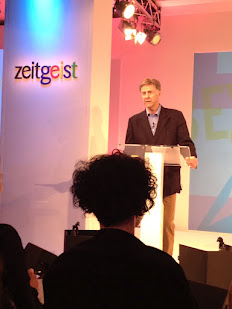
An Inspiring speaker

My favourite presentation of the whole event was Ranulph Fiennes, truly brilliant presentation that showed what a legend the man is, how he has overcome so many problems, health challenges and pushing his body to the extreme. Watch his video here, it is worth 20 minutes of your life. Click here to watch it. He showed incredible courage and tenacity and that age should not slow us down, he was about to head off on another expedition and deliver yet another record ( and beat the Norwegians!). The class line of the presentation was when he described them listening to the radio one minute a day and they heard that Britain had gone to war. When he asked his colleague with who – ‘Charlie replied – Oh I did not catch that – he goes on to say that in the following week when the radio refused to work they argued about who we could have gone to war with..’of course we assumed it was the French!’

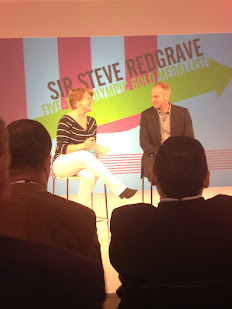
This is what I love about Zeitgeist the variety of thoughts and personalities. Steve Redgrave and his achievements or the man who ran 350 miles in one go or 50 marathons across 50 states, these people simply inspire.
That evening we all mingled and discussed the days events. Music from Paloma Faith, Maria Aragon and Ed Sheeran created a spectacular show for us all that evening.


The night ended with a small group in a back room at The Grove. It reminded me of The Breakfast Club as it became a very open and revealing emotional roller coaster of a conversation, I think we all felt that it was a very particular evening and I felt like I got to know a few people that much better than usual. That said it kept us up until 4am which was not ideal although par for the course!

The second day started with a run along the canal, a beautiful and peaceful 30 minutes of sweating, dying and swearing not to drink again! The day contained some seriously interesting tech presentations, my favourite was from Boston technologies and their Big Dog. You want to see something pretty scary then watch this video. One of the lead scientists talked us through the work they are doing on robotic intelligence. Watch here.

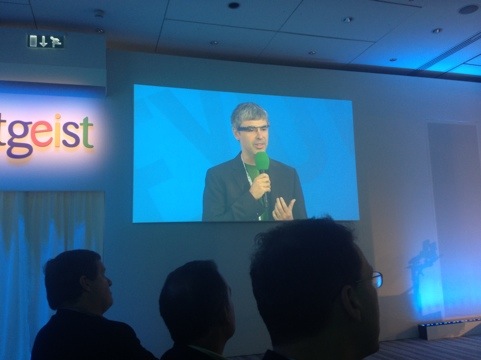
The incredible power of robots was a theme that afternoon with the leap forwards in medical robotic surgery being highlighted alongside the above. It does leave you wondering where this all leads, the Google self drive car, robots etc show us a society that is moving towards a world of cyber beings and I believe sooner than anyone thinks. As if we did not need more evidence then Google demonstrated their new Google Glasses where basically a simple device worn like glasses becomes your entire technical needs for photos, email, maps, etc. Larry kindly presented those for us!

Take a look at this video here.
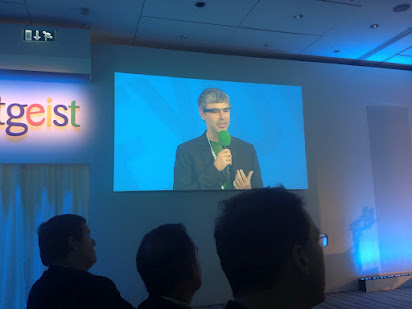
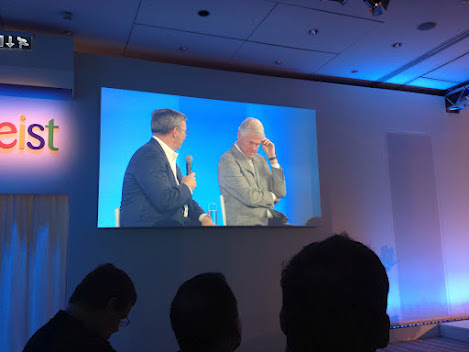
Larry talked about how he sees the world with Eric Schmidt and took questions from the audience. He is a hugely smart guy if not the all round entertainer when it comes to these stage events and so although very interesting I think we were really by now all waiting for the final act. Bill Clinton.
Bill came on and the first thing that struck me was how much older he was in the flesh or perhaps than I remember him, still tall and big but nt quite the force you might imagine. He started slowly, talking about his work and foundation in a very measured and thoughtful way but he started to wind up in the last ten minutes or so. You started to get glimpses of that steal and energy he was famous for and a passion that clearly is still there. It was an incredible stage, to have watched this man on television and then have him just a few feet away was a privilege and one only Google is able to deliver in this special annual event.

The whole event was as ever slick, well organised and inspiring. I thought this year it was more serious but it had depth and made you think hard about the world we live in, that is what made this one of the most interesting I have been to. The event is unsurpassed by anything else around and I am grateful to have been invited.
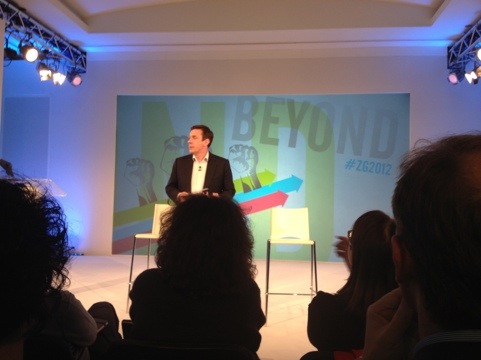
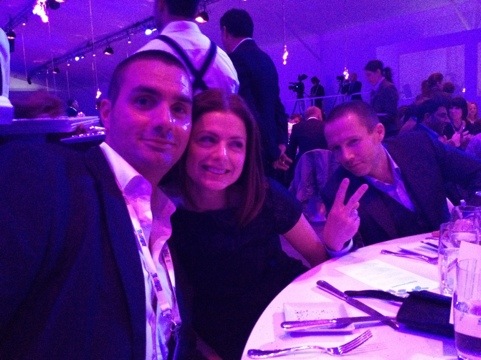
Creating change – it is not all plain sailing

20120531-152600.jpg

Two days in Chicago at the VivaKi Nerve Center Management meeting and one thing really struck me, that change even when it is really needed is pretty tough. Key to getting through it though is by having a plan and sticking to it. The VNC started in 2008 and we were laughed at, Curt Hecht who leaves us this month was there at the start and he recalled some of the comments at the time. That plan though has been sturdy and continues to be at the core of everything we do and it is resistant to country whims and individual blocks and that change we are bringing can not be stopped now.

VNC was a slow burn Internationally but in recent times things have accelerated rapidly. Over the last two days we have had people from the VNC from US to Australia and everywhere in between and each person was ringing the bell on the old models, it is time to step up and be prepared to change. Only two years ago we had VNC in US, UK, Dubai and Spain. Add to that now Italy, France, Germany, Australia, China, Russia and more to come, amazing growth.

Trouble with change is that it unsettles and some people don’t want it and are willing to slow things down and say ‘it’s not like that here’ and excuses to that effect. The encouraging thing though is that those people are becoming far and few between now and most people have started to embrace. I met recently with Maurice Levy and it was clear where he expects to see development, what areas should be moving faster and that is the biggest encouragement of all when it comes from the top.

Change your mind or change the people was a phrase mentioned by someone recently and I agree. I have always loved change, it is so exciting and creates so much opportunity so I assume everyone will but I am afraid that is not always the case. The VNC over the last two days has presented some amazing work and propositions and it is no wonder it has been copied by most of the other groups – whether it was market leading Partnerships, the worlds first and largest trading desk, driving innovation through The Pool, VNC has lead and shown the people laughing behind their hands that in fact it has become a blueprint.

The work we are doing with our agencies is moving so fast in many many markets and the ambition in the room has been palpable so expect to see more and more from this group over the coming weeks, months and years.

See you Chicago, it has been a pleasure (apart from your terrible airport).

The importance of centralised re-targeting – An AOD view.

Centralising Retargeting
BY: Paul Silver, Head of Product AOD UK and Geoff Smith, Head of Activation AOD UK
Featured in Exchangewire also here

Retargeting is the core foundation of any performance display campaign. It’s something we all know now, but it’s not something we all knew when we outsourced our display buying to ad networks all those years ago. That’s ultimately because ad networks never disclosed the importance of retargeting whilst they were able to ride the gravy train. However those days are over, and there are several compelling reasons as to why we should all bring retargeting in house today.

Transparency:
Arguably, the greatest output of RTB is that it has created a new marketplace that allows it to be centred on transparency (not 100% complete transparency on every bid request but considerably better than it was previously).

Being in control and accountable of every penny a client spends means we know exactly how much contribution there is from every element of their retargeting programme, and what’s more, so now do our clients. There is no more allowing ad networks to hide behind blended CPA metrics, offsetting the poorer performance of their run of network activity with quick win retargeting conversions. Clients now understand the exact worth of retargeting and precisely how/what needs to be done to a) increase that volume but also b) drive incremental growth.

Lets not forget, in most cases, we also now have insight and transparency into where our ads are being served. Not only is this paramount from a brand safety perspective but also incredibly valuable when we can provide insight to clients that demonstrates which environments convert their target audience more efficiently, how that informs their other cross media planning strategies, and how it disrupts their traditional media planning with fresh ideas.

Price Inflation:
The impact of price inflation from multiple retargeters running on a single media plan is real, it is not just a theory. We know the effect of having to bid for a single user against other bidders. We’ve seen the data, it becomes less efficient. The message we convey to clients is that the situation is akin to brand bidding in the affiliate space a few years ago. Why would you let affiliates obtain standard levels of commission for piggybacking on your marketing investment, by bidding on your brand, whilst also inflating your own CPC costs to access that brand term inventory? It didn’t make sense then and it doesn’t make sense now.

Strategy versus tactic:
By centralising retargeting in house, you immediately remove any element of having to play ‘the ad network game’ which is designed to obtain last click or view attribution. You are actually able to start developing more bespoke, controlled strategies around first party data, integrating it into the wider marketing/comms mix and introducing separate eCRM or cross channel strategies. It becomes an extension to an integrated marketing plan, rather than simply a cheap display acquisition tactic.

User experience:
If there’s one thing that gives retargeting a bad name, it’s when advertisers do it poorly. Retargeting should be used as a reminder of the brand/product/service that a potential customer is considering, rather than giving advertisers the ability to stalk users across the Internet with the same message, no cap on frequency, and potentially showing them the same product that they bought 3 weeks ago. It sounds basic, but we’ve all seen it in action. By taking the retargeting program in house, agencies can help clients ensure that their customer’s user experience remains engaging, consistent and above all else, controlled, increasing brand advocacy rather than damaging it.

Data security:
Lastly, and perhaps most importantly, being in control of client’s first party data is not a simple game of efficiency improvements. There is also the much more serious consideration of client data protection. With publishers being able to place tracking pixels within tracking pixels within tracking pixels, can you honestly say that you know every 3rd party server call being made from your client’s site?

It is not unfair to say that practices from *some* ad networks in the past have included leveraging one client’s dataset to improve performance for another client competing in the same vertical. Why should client A help fuel the performance of client B? It reduces their competitive advantage for the benefit of their competitor’s. It’s clearly efficient for ad networks to do this, and certain agency groups are also now taking this data sharing approach, but who really gains when everyone has the same cookie pool available to them?

Data leakage became a serious issue for the industry last year, and with the e-privacy cloud looming, agencies have a responsibility as much as their clients to ensure consumers are well informed of how cookie data is being used. How confident can you be in your client’s privacy policy if numerous disparate suppliers are still managing elements of your retargeting?

At VivaKi we take this very seriously and ensure that no client data is EVER co-mingled. We also work with clients to give them transparency over which pixels are on placed on each of their sites and what they are used for. When you outsource retargeting, you loose your ability to have a holistic view on how your client’s data is being used and ultimately, you outsource control. In today’s ever-stringent e-privacy environment, that is a dangerous place to be.

We are all addicted to our mobiles

I have noticed it more recently, perhaps because I am becoming conscious of my own addiction to mobile and tablets but everyone, all of the time, is head down into their mobile. It is something that has been gathering pace as the smart phone uptake has grown (iPhone represent 55% of all mobile traffic and 7% of all web traffic) but it is now literally out of control. Human beings can no longer have a pause without the pause being filled by a pull at the phone and some interaction.

Although not what I am focusing on today, it is interesting that the advertising and media industry still seems in capable of grasping this opportunity, I would now say above all other media channels mobile dominates our life and yet ad spend on mobile and mobile optimised ecommerce sites of major brands is not where it should be. In 2010 advertisers spent £83m on mobile advertising – that’s a crazy stat when you think how attached we are to our phones.

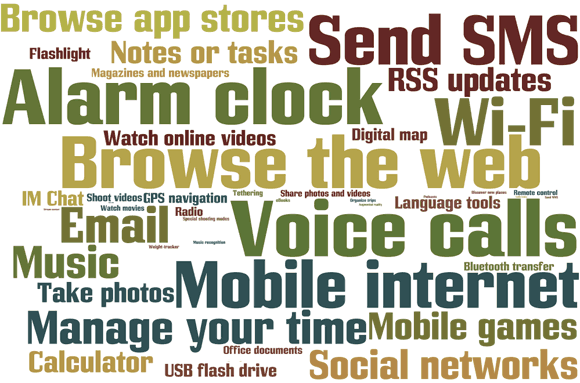
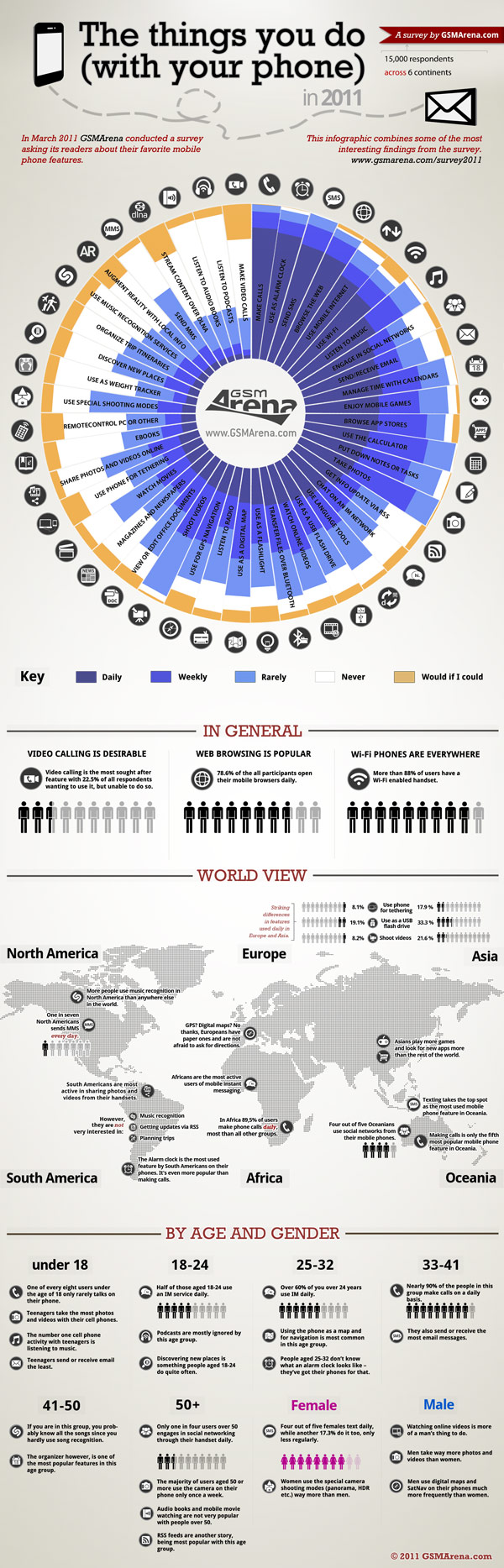
The thing with the mobile phone and in particular the smart phone is the crazy amount of things you can do with it, it is this that makes it something we are glued to day and night. GSMArena carried out research with around 15,000 people, link here and you can see the array of things people use their phone for and what was most popular. There is a word cloud and an info graphic, both below that are pretty insightful.

The detail behind those words can be found on the next infographic

It is for this reason that my phone stays with me from dawn until dusk, I am not alone in reaching for my phone before anything else, 83% of people use their phone as an alarm and so starts the day. From here when you look around you its relentless. Everyone is used to the idea of people using phones on trains etc, the commute, it’s not that which I notice the most, it’s the bits in between. As an example what is the shortest pause you need to reach for your phone or check it?

a) Would you check your phone as you wait for the cash machine to register your card?
b) Would you check your phone as you wait for lights to change in the car?
c) Do you always look at your phone while you are walking?
d) Would you check your phone in a work meeting
e) Check it when you are one on one with a friend?

It is relentless checking that I am noticing, and I am well and truly guilty of it, but I think we re beginning to erode the old rules and its acceptable. More and more people are checking phones during meetings, at dinner, at the bar, often three or four people are all checking at the same time. Big events and presentations have more people with their heads down on their phones or tablets than concentrating. The rules of politeness are being eroded. Concentrating on a conversation or a meeting is no longer a prerequisite. In fact as soon as someone leaves a conversation to pop to the gents, you dive onto your phone is you have been restraining yourself. We are all addicted.

More and more guys are on their phones at the urinals now, that is an emerging trend! Perhaps they were the polite ones not looking at their phones during a conversation and went to the loo just so they could.

I remember someone once saying that we are making time for ourselves with mobiles because we fit all our catch up conversations in on the move and so its making time at home for partners and friends, I am not sure that holds water anymore, we are always on our phones and when it was just calls it was fine but now you can basically run your life from them, they have become more intrusive. I look around me and see everyone immediately reaching for their phones at any pause in life, all of us head down not watching life go past and I feel like I am in one of the futuristic movies where we are all wired to some unseen force, I think we need to disconnect more.

VW have done it in a German factory, they have stopped their servers sending emails at 6.30pm so workers are not constantly on their blackberries – interesting! Not sure that will catch on but its the principle of it, the fact they are trying to break a cycle that is hard to break. As new members join the company and are desperate to get a blackberry I always think what a mistake that is and to stay away for as long as possible, as soon as you are wired to the work all hours is the day you will never truly have a holiday again.

I am addicted to my phones so I am all the things up there but I wish I was not, I spend too much time on it and looking at it, it makes me rude at times, and I miss things because its head down all the time.

I think Microsoft got it right in their Ad to kick start their new phone – ‘Really’ Take a look, not a bad Ad and absolutely on the mark!

Audience On Demand is hiring..

VivaKi Nerve Center launched Audience On Demand in the US back in 2008, launched in London in 2010. Now the UK’s largest trading desk is looking to add to the team as we grow month on month working with some of the UK’s largest advertisers. We work with Starcom Mediavest, ZenithOptimedia and Razorfish teams and are the most lined up agency group in the UK with full support from the agency brands and our success reflects that.

Paul Silver Heads up the Audience On Demand Product and is one of the most respected people in the industry and he will be joined by the Head of Activation on Monday Geoff Smith, current Head of Technology at MEC, it’s a dream team backed by a number of activation and analyst team members and together we are really making great strides in the market place. If you want to work on private marketplaces, scale plays, strategies across the exchange space then you should contact me or Paul.

Bored at an Ad Network, or worrying about their future? Perhaps at another agency Group but struggling against constant resistance and confusion, maybe in a ‘specialist outfit’ but seeing just how restricting and myopic that can be? Want to work for a team that works openly and collaboratively with publishers then email us..

We look forward to hearing from you!

Balancing short term demands with long term strategy

As the digital landscape evolves so the companies within it have to adapt as well, but actually we all live in a short term world. Both publishers and agencies have their work cut out for different reasons but all too often good strategic decisions are being strangled by short term demands. This challenge has never been more obvious than right now.

I have been talking daily to organisations both in our group and externally about how we plan and adapt for the future, we can all see the major digital portals for instance having to sit and scratch their heads a little about dealing with the here and now but planning for the future. Take a Yahoo or a Microsoft, they have both embraced the new world of exchanges and yet somehow want or need to protect their network offerings, the two don’t sit easily in reality. As strategies they should be rewarded in their approach of embracing the exchange world, but instead they are under pressure to deliver their targets based on a 2010 estimation, when the world was entirely different. Was it that different? Were we not all talking about exchanges etc back then? Well yes we were but the spend was not backing up the rhetoric, 2011 is a different story. Audience On Demand, as the biggest exchange trader in the UK has accelerated incredibly, and that growth is having an impact. Look at Specific Media who but a year ago was recruiting staff and buying Myspace and a few short months later is making redundancies, that’s how quickly things move.

We are though at a juncture, and it’s for that reason we need some patience from the bean counters. 2010 did not properly represent the Exchange growth, 2011 is closer to the truth but 2012 will be big. As the long tail of Ad Nets is absorbed into the more focused addressable media hubs and digital consolidation continues, the likes of the Yahoo or Microsofts will begin to see the benefits of the exchange infrastructure and will be able to let go of the old DR network approach. They will start to reap the spends that once went to the Ad Nets, but this time via exchanges.

It is refreshing to see the strategy Yahoo are playing out in the us. There was an article today in fact on this in Adage – click here. They are going to take a hit in the US with their strategy of blocking the Ad Nets, Criteos and others from buying their inventory. Yes short term that is going to hurt them, longer term its a great move and will pay back undoubtedly. We are seeing a significant adjustment in the digital ecosystem.

Agencies are evaluating just as fast, less from a revenue perspective, more from a structural perspective. If you designed an agency today, would you do it the same? I doubt it and yet the upheaval required sometimes makes people think twice and come up with a number of reasons why they should not do something even though in the longer run it makes perfect sense. This requirement to change however on agencies and publishers comes from a number of key trends;

consolidation of digital, we have all seen the stats that show the big digital companies control a huge percentage of the total spend and audience, even within the exchange space you are dealing with a few big partners. I believe that clients are starting to see a new digital landscape that is not 40 sites on a plan. They are realising that actually they can achieve almost all they need with API buying, Audience On Demand and Search, its a shift, everyone is looking for scale and efficiencies.

Globalisation of media and advertising. Most pitches are becoming global, not all, the recent in for ZenithOptimedia of RBS proves that, but many are. As such as the clients think more globally then they look to the agencies to do the same, and the more you think like that the more the scale partners of Yahoo, Google, Microsoft, Facebook etc become important to them and us.

Commoditisation drives value. This is an interesting development for me. Years of being told by Microsoft and Yahoo etc that their inventory is ‘premium’ has rarely been backed up by any real insight except their own research. Now we have commoditisated huge swathes of inventory through DSPs and exchanges we are being able to see what value inventory has and what performs. We see the volumes of money we spend with these companies through the DSPs and what eCPM we pay for them, none of this is determined by a person or a power point slide or negotiation. Tech has decided, results have decided and demand has decided and the patterns are very interesting indeed. After millions of pounds of spend through Audience On Demand we now see the true value of inventory and yet it has never been more commoditised.

Technology is in fashion. Of course tech has always been in fashion but never more so than now. It has been developed for agencies in a meaniful way. Demand Side Platforms for exchange trading, Bid optimisation platforms for search and API buying, these things have been designed to help us drive efficiencies and improve performance and we really see the opportunity now. It’s brutally competitive though and VivaKi have decided to work with the best partners and then develop tech that links all those partners up providing an interface to work with, this we see as the great opportunity, if you then add that to new streamlined teams and workflow, you have a heady mix that can deliver fantastic performance and service.

So where does that leave us? It leaves us with a lot to do and we need more people to take up the challenge and either drive the change through their organisations or give the people who have to do it a break so they can work through this transition. The end result though is the ship has sailed, the change is underway and we need to embrace it or become a dinosaur.

Smart Agencies Understand the Partnership Imperative

In the time I have been writing for this blog, I have worked substantially with Google. The VivaKi Nerve Center are tasked with identifying key partners in their role of being the future facing R&D division of VivaKi. Google are one of our major Partners and because of this I invited Google to write my 100th blog post and to talk about the importance of partnership in this new media landscape that is evolving into a tech driven business rather than just a media one.

Simon Birkenhead of Google, Global Agency Leader for Publicis has kindly submitted the below post and I must thank Simon and the brave Comms team down at Google for letting him loose on my amateur blog!

Smart Agencies understand the Partnership Imperative

In January 2008, Maurice Levy, CEO of Publicis Groupe, and Eric Schmidt, CEO of Google, shook hands on the terrace of the Publicis building overlooking the Arc de Triomphe in Paris. Their agreement, to join forces and partner in the deployment of new digital advertising technologies, kickstarted a radical transformation in the way that large agencies work with technology companies.

For decades agencies have been the masters of delivering effective advertising campaigns at the best possible value for their clients. A key strategy to achieve this was to maintain an arm’s length (some would say, adversarial) relationship with media owners to preserve objectivity and a strong negotiating position. The slow pace of true innovation in traditional media meant there was little pressure for this to change: agencies’ fluency in offline media required little 2-way interaction with media owners beyond discussions over pricing and tactical proposals.

However, the explosive growth of digital marketing over the past decade, and the associated emergence of Silicon Valley’s fast-moving technology companies, has instigated an urgent reappraisal of this adversarial mindset by the leaders of the world’s largest agencies. The increasing importance of data analytics as a key component of agencies’ service offering, combined with the lightning-paced evolution and technical complexity of the new digital marketing platforms, means that a closer working dynamic with technology companies is no longer an experimental initiative, it has become a business imperative.

When Maurice met with Eric in Paris in January 2008, which was also around the time I joined Google, Google’s product suite was largely limited to Search and our display network. Just three and a half years later, the conversations I have with agencies now cover mobile, online video, social, ad exchanges, global ad-serving platforms, rich media advertising, DSPs, analytics, real-time insights tools, data platforms and even enterprise software.

The pace & scale of change is truly mind-blowing:
● In 2008 Search accounted for just 3% of all media investment in the US and Western Europe. Just 3 years later this has tripled to ~9%. In UK, Search now represents at least 15% of all ad spend.
● Android has grown from zero to over 550,000 new activations per day in 3 years and, with iOS, is radically transforming how advertisers can engage with customers through mobile devices
● YouTube now streams 3 billion video views per day, double the volume just 18 months ago
● Facebook, Twitter & Google+ together have close to 1BN users globally, 50% of whom log on every day, half of these through mobiles
● In just 18 months, Ad Exchanges, DSPs and Agency Trading Desks have revolutionized the way display media is bought, challenging the business models for hundreds of existing display networks
● Google announced over 350 major new products or feature changes over the last 12 months alone, an average 7 per week. (To see what these were, visit http://www.google.com/newproducts)

As a Googler, with full access to our internal resources, it is a huge challenge to maintain my own knowledge of all these technologies and the associated opportunities they afford marketers and agencies. For agency account leaders, planners and buyers, who also have to be fluent in a similar suite of products from dozens of other digital companies in addition to all forms of traditional media, it has become truly impossible to remain true media ‘experts’. Every new layer of complexity created by technology evolution creates an even deeper requirement to nurture and build strong external partnerships. As Rishad Tobaccowala of VivaKi recently commented, “The world is too complex and moving too fast for any one company or team to do it all. We need to train people who are cross-bred and hybrid and who are willing to work together.” Tight-knit day-to-day collaboration at account team level with technology companies like Google have now become a necessity for agencies to keep up with all the potential options for connecting advertisers with their customers.

Many advertisers have also come to the same conclusion. A key component of many major media pitches recently has been the requirement for agencies to demonstrate the strength of their partnerships with Google and other players in the digital ecosystem, and how they can use these relationships to deliver additional value to their clients.

Smart agency leaders like Jack Klues, Laura Desmond and Steve King have realised that a close global partnership with Google would help their agencies to stay ahead. Today our global partnerships with VivaKi, Starcom Mediavest and ZenithOptimedia deliver immense value beyond the technology collaboration originally envisaged by Maurice & Eric in January 2008:
● Our industry experts provide deep insights into consumer & market trends that illuminate new consumer engagement opportunities for agencies, enabling their clients to lead rather than follow
● Our display, mobile & video experts work with agencies to create innovative, high impact campaigns for advertisers by pushing the boundaries of what is technologically possible
● Our product managers help agencies to understand and prepare for new marketing opportunities generated by technology change
● The joint research studies we publish each year with agencies deepen our understanding of consumer behaviour in this new digital realm and deliver the proof points needed to encourage advertisers to leverage these new opportunities
● Our training initiatives and digital media certification programmes, covering everyone from the top CEO to entry-level graduates, are helping the agencies to maximise the ROI from their digital campaigns and keep their teams operating efficiently and effectively
● Our ongoing partnership with VivaKi’s Audience on Demand trading desk is helping agencies & their clients to improve the performance of their digital campaigns through superior buying processes.

Yet despite all this, as I talk to agency leaders around the world, both inside & outside of Publicis, I still occasionally get asked what the value is to an agency from working with Google.

Agency leaders who have not yet figured this out, who are not actively encouraging their account teams to build a deep collaborative partnership with Google, may soon discover they are at a significant disadvantage to their competitors in this fast-changing market.

Simon Birkenhead is Google’s Global Business Leader for Publicis Groupe