An interview in Cannes around technology and creativity and the fact they are merging and events like Cannes and CES are the perfect canvas for that. Click on the image below for a link to the video.
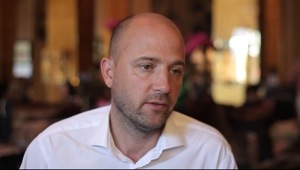
An interview in Cannes around technology and creativity and the fact they are merging and events like Cannes and CES are the perfect canvas for that. Click on the image below for a link to the video.

Welcome to some photos of the last few months to liven up my blog. It has been a crazy few months but incredibly exciting and met some very cool and bright people that make life os interesting.
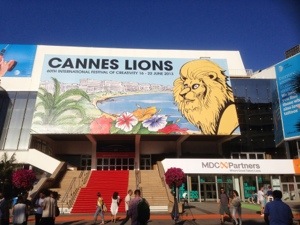
The first sights of Cannes, the main event and the Publicis entrance..one was visited more than the other..
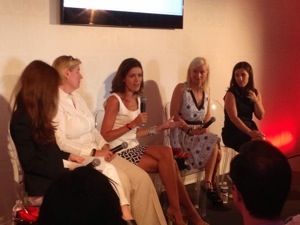
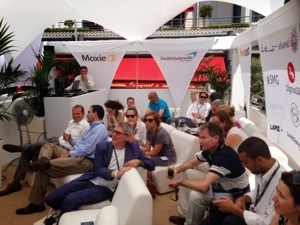
Power ladies on one panel – Carolyn Everson of Facebook, Laura Desmond of SMG, Erin Clift of Spotify and Wendy of Coca Cola – not bad..


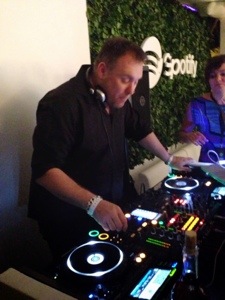
The juxtaposition of the classy Seb Fontaine against the Gutter Bar, we did both very well, great night with Spotify.



The Rubicon Panel at Le Rooftop, Cannes, the worlds leaders of Trade desks talking the talk. It was hot!
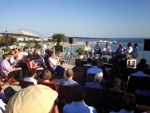


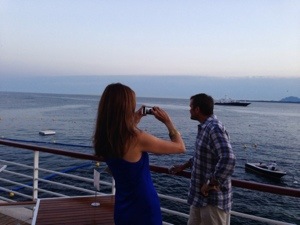
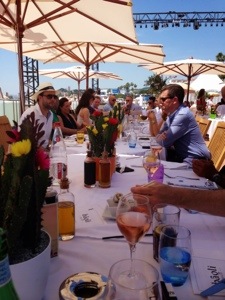
The Eden Roc outside of Cannes, beautiful spot for an evening meal with a few old friends, colleagues and new friends

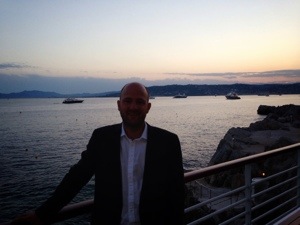

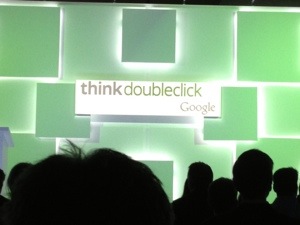

Doubleclick Client Advisory Board in Los Angeles – St Regis. Amazing venue and more announcements from Google. I also had my five minutes in the spot light!

 One of the greatest runs for a hangover cure, down by Dana Point
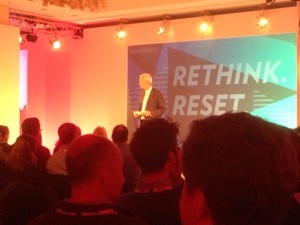
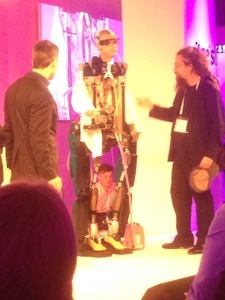

Google Zeitgeist – the amazing collection of people, politicians, genius types, robots and Jesse J – standard!
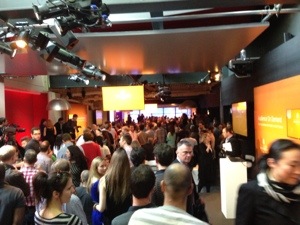
Publicis Investor Day – the great and good of Publicis all at LBi
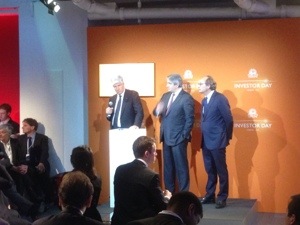

CES – More to add here but suffice to say this was the hardest bit to get through

Click below for full video on evolution in video and TV space with BBC and SKY. It was an interesting debate, mainly between me and Tim, as usual full of opinion (rightly so!).

I thought I would ask our three latest recruits, all graduates to give me their view of our industry just one month in. The message is clear, we are big and complex and we love TLAs but that is what makes it fascinating. Backgrounds of economics, maths and marketing show that regardless of diverse backgrounds, all roads lead to RTB! Sorry Real Time Bidding! I am always excited when we have new people joining and so let’s hear from them..
Trisha Halai @trisha_halai
Having done a maths degree I never thought I would see myself taking on a career in the digital advertising industry. After being approached by a recruitment agency and being told about the role and company – I can say I will never look back. My first month has been very much a learning curve and a very interesting one. Understanding the technical aspect of the role in terms of getting to grips with the platform and the systems has been one thing and understanding the hundreds of jargon used in advertising is another. Initially, I was completely thrown back in my first week when I heard acronyms such as DSP, SSP, DFA, DFP, DBM, MPU and PMP to name a few. However, as time has gone on and the more I have heard these terms, they have become second nature to me and now not using them would be slightly absurd.
Coming from a maths background, I developed many transferable skills and I can say I am proud to have the opportunity to apply these analytical, problem solving and logical thinking skills into my current role. Working in a dynamic and creative industry, one that is so measureable and trackable in every aspect is exciting. It is great to be exposed to the industry at a point where it is constantly changing and advancing. Communicating and building relationships with highly respected technology and data providers and some of the big publishing names as well as agencies is what makes the day-to-day role so varied.
Being part of the AOD team at Vivaki has been an insight in many ways. It is very exciting working in a team that helps brands to deliver strong, highly targeted messages to very niche audiences across many channels such as display, video, mobile and social media. Working in a team that takes great pride in what it does and is passionate about its day-to-day management of campaigns is inspirational.
I look forward to learning new skills and developing a deeper understanding of my current role and I look forward to any challenges I may be faced with in AOD.
Claire Hobson @claireHobs
My first month as a member of the AOD team at VivaKi has been both exciting and eventful. I’ve had the opportunity to meet so many new people and have learnt a great deal about the dynamic industry of digital media in such a short time.
As a Marketing MA graduate, I had developed an interest in digital marketing and was keen to get into this area as a first step in my career. However, I had never come across agency trading desks or real-time bidding and as a result I found the complexity of the real-time bidding ecosystem quite overwhelming when I first started. RTB, DSPs, Ad exchanges, ad networks, ad servers, SSPs, PMPs… it was all like a foreign language to me, particularly with the frequent use of (appropriately named) TLAs.
Four weeks on, what seemed complex to me back then is now much clearer, having benefitted from being amongst the hugely knowledgeable AOD team and from meeting the various external teams that represent the other vital pieces of the RTB puzzle. I have noticed the difference in levels of understanding and views of RTB across these different teams, whether it be media planner/ buyers, publishers, data providers or technology platforms. This has been useful for me to gain a more holistic understanding of how RTB is viewed in the wider media industry and has helped me in developing my own opinions.
Part of the reason why I wanted to work in digital after graduating is that it is an industry that is growing and constantly changing, making for an exciting and fast-paced environment to work in – my first month at VivaKi has definitely confirmed this. However, it has also highlighted that there are often challenges, difficulties and problems to solve around these changes, something that I did not previously fully appreciate but have come to see how this is key to the development of such a dynamic industry.
A good way to sum up my first month is perhaps not to reflect but to look at how it has given me both an eagerness to learn more and a strong desire to be a part of the future of RTB, whether it be in display, mobile, video or even connected TVs. I look forward to my second month at VivaKi in the exciting world of digital media and RTB.
Nick Brown @NickPhBrown
PMP, IO, SSP, DSP, KCT, vCPM, KPI, ABC1, GRP, MPU, RTB are just a bunch of letters… However, I have come in to contact with them such remarkable regularity that I find myself thinking what a laborious task it would be to have a conversation using full, un-acronym-ed words. Since, I started work at VivaKi, the AOD team has performed massive brand blasts, won over some great clients, tested cutting edge industry inventory, even achieved a world first! The list goes on… We work closely with companies like Doubleclick, VisualDNA and large pubs like eBay and Amazon, all to our own varied ends.
Point being, there’s so much to Real Time Bidding; too much to ever come close to having a shrink wrap solution to it. On top of that, it is constantly morphing and progressing. Not only are Mobile and Video making leaps and bounds forwards, but the platforms we work with on a daily basis bring in a whole host of new features almost weekly. It’s a crazy trade to be in and my first month has overwhelmed me with a phenomenal amount of information. I would love to write all about the diverse, highly affable team I’m working in, and on how much fun I’ve had in the many social events that have already taken place but if I tried to it would fill pages and pages. Suffice to say that my first month has been a whirlwind tour of the immense and fascinating world that AOD is right in the centre of: RTB.
I was recently prompted to think about the sales policies of publishers when Criteo approached us to buy their inventory through a Criteo network. On the face of it one could argue it would be a good buy for us, potentially unique inventory, sourced through publisher deals that by many peoples opinion is good quality and high up the adserving priorities of the publisher. Obviously after about 1.5 secs I decided I was unlikely to contribute to the clever business model of Criteo by filling their coffers so they can then go pitch direct to our clients and move the business. That is not what this post is about but it set in motion some ideas that I think publishers should consider.
Companies like Criteo, have created a good business and are doing well in their niche but they got there through persuading publishers that they should sell to them quality impressions, in some instances first look, even above direct and brand channels at a low cpm vs those direct channels but high vs the RTB market. They deliver good business for them and everyone is happy.
Problem is that they buy a lot of it and need to get rid of it and so they want other people to buy it from them ie trading desks and potentially Ad networks / Managed DSPs. The demand in the exchanges has increased significantly since many of those deals were done and so cpms for quality inventory like this will likely create a higher cpm than they bought from the publishers. So that means then that trading desks are buying good inventory from Criteo rather than direct from the publisher? Is that what the publisher had in mind when they sold or agreed to the positioning of the sale?
I think it raises questions that publishers yet again have to face, is it better to sell at a flat cpm or find other channels to monetise. A lot of big names are doing this and for me makes no sense, if you want your inventory to be monetised, come see us rather than put us, your direct buyers second to someone who is re selling it to us? It is time to ditch the flat cpm and embrace the auctions and private market places.
We can also offer transparency to the publishers as to how well their inventory is performing and we can partner to create improvements for them and us. The alternative is sell and see no insights. In my view that era has ended. Publishers, come talk to us we can help you with that.
A brief video outlining Exchange Trading and Audience On Demand view of it, a basic outline only.
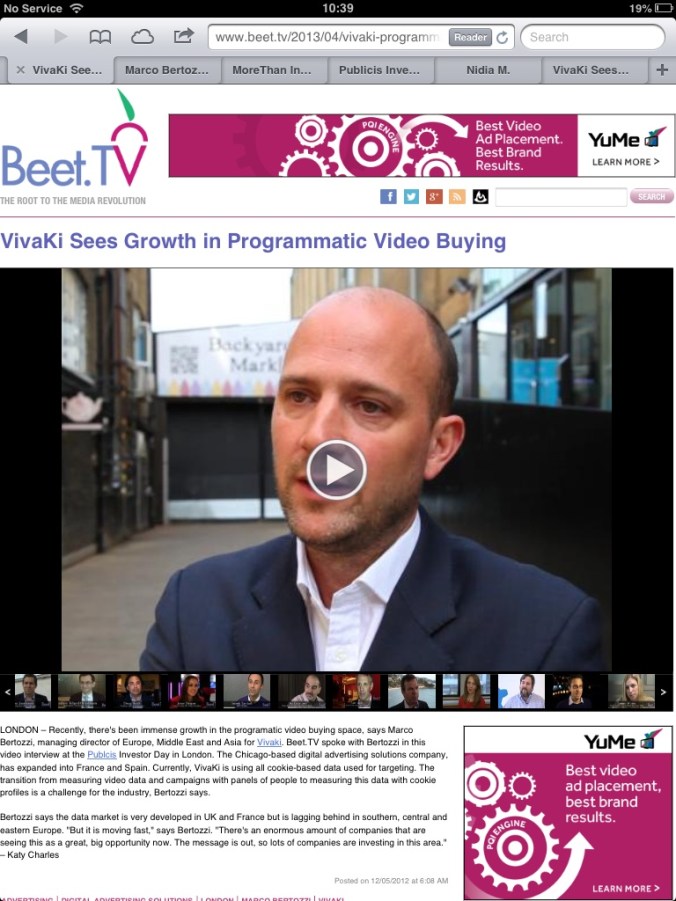
Post PublicisInvestorDay I speak with Andy at Beet.tv on Audience On Demand Video.
The only session in Adweek Europe event on the future of trading and Data driven display. We even talk transparency. It’s longish but if you like this stuff!
A great turn out for the event and we coved Programmatic premium, the future of the agency role, transparency and some interesting word association.
After a few gruelling days in Las Vegas for CES, Microsoft asked me to comment on a few issues around the role of technology and how Microsoft are placed both from a platform and data perspective.
 We will laugh at the idea of having to sit through an Ad we didn’t want to watch in years to come. The likes of CBS, who recently downgraded an award to DISH for their Hopper product (a product that allows the viewer to skip Ads) by influencing the CNET panel, will need to change their views and fast.
Perhaps people have not noticed but the beginning of the end for being forced to sit through Ads is already underway. Google is building a business on the back of skippable Ads. It is a mere skip and a jump before that model is rolled out to TV. It’s not just Google though. We have all got used to fast forwarding through Ads on our PVR’s. There are companies like DISH, with their Hopper product, making it a central offering. Even online Apps usually have a premium or Ad subsidised version. Other companies, for example SpotXchange, have rolled out account based solutions where users can pay to skip ads. The concept of not watching Ads you do not want to watch is entering our ecosystem like water pouring through a leaking dam. No matter how you try and plug the leak, the tide is turning and before we know it the idea of forced Ad viewing will be a thing of the past.
Consumer opinion eventually is paramount. This is not about not watching ads, it is about watching ads that are relevant and entertaining. As viewers get used to skipping ads and companies offer that as an option in a new medium, like TV, consumers will turn there first. The DISH example in the US will be an interesting one to follow. When PVR’s were first launched, the whole industry was very nervous about them and the implications. But we coped. Google’s skippable Ads is a fantastic model for them with incredible CPM’s on ads that are watched through to the end. It works for them. Advertisers also like the idea of paying for real user viewership. The challenge therefore is for advertising to improve (please no more perfume Ads following the same old, superficial format) and for the delivery mechanism to improve.
This is all fine for online, but TV? No way! Well in case anyone had missed it, TV is changing. The mechanisms through which we watch TV are changing and the way content is being consumed and distributed is changing. Addressable advertising across multiple devices is already under way in Alpha and Beta tests. Ads will become adserved which will allow better targeting and if targeting improves, the response will be better and consumers will appreciate the relevance. If we can do this well then who is to say that the Google business model will not suddenly look attractive to broadcasters?
Importantly we will question this idea of ‘extra value’ in TV, which is code for wastage as opposed to actually buying the audience we want. An Audience On Demand offering could quickly be applicable in TV. So if we can combine adserving technology, with proper targeting and importantly measurement (let’s not get in to that today!) and sprinkle some consumer boredom with relevant advertising, we are well underway to a world where we tell our Children that; ‘yes they made us sit through five pre-roll ads before we were allowed to see the programme we wanted to watch’ – ‘and at a time dictated by them’! A crazy notion.
Blog also ran on Digiday – http://www.digiday.com/agencies/skippable-ads-are-a-good-thing/
 Bertozzi's Bytesize